Hajra Naz
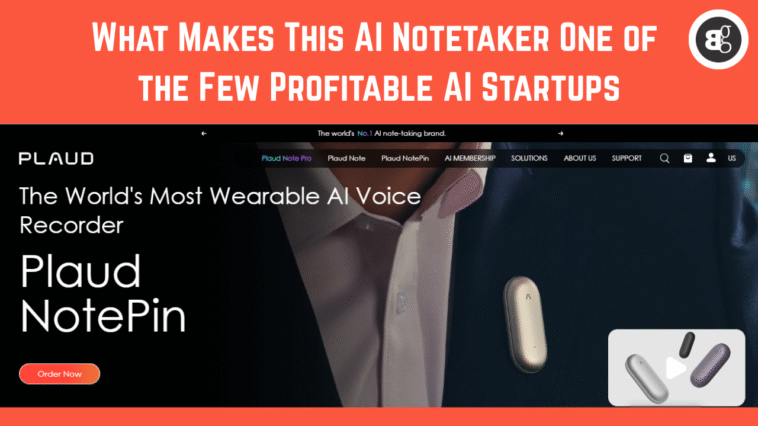
On a rainy July morning in a quiet Amsterdam suburb, Nathan Xu sits in a small Italian café with a day packed full of meetings. Calm and smiling, he asks if he can record the conversation, clipping a sleek, pill-shaped device to his shirt. With a single click, it begins capturing every word — recording, transcribing, and summarizing in real time.
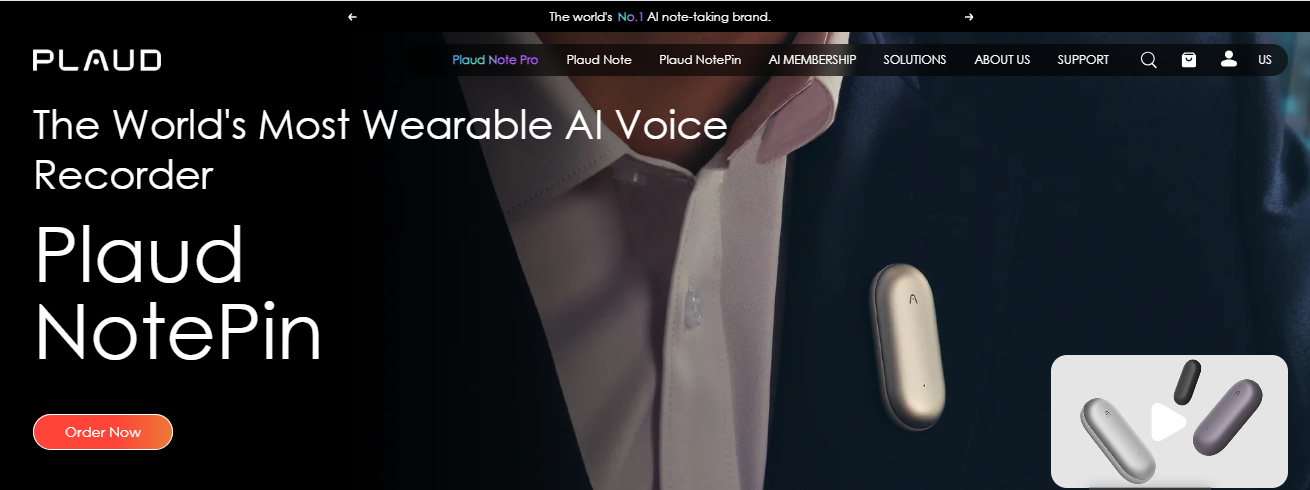
This gadget, called NotePin, comes from Plaud, Xu’s AI hardware startup based in San Francisco and Shenzhen. Unlike most AI devices that promise big and deliver little, NotePin is a hit. On a single charge, it records 20 hours of audio and transforms it into searchable transcripts powered by Plaud’s proprietary software and AI models like ChatGPT.

From Startup Gamble to Global Adoption
Since its launch in 2023, Plaud has sold over one million devices to professionals like doctors, lawyers, and corporate executives who struggle with information overload. These users rely on NotePin to save time, manage meetings, and preserve accuracy in their daily work.
Plaud’s success comes at a time when several AI wearable startups have flopped. Rivals like Rabbit and Humane burned through capital but failed to build products that consumers embraced. Investors, however, see potential in this space: over $350 million has been invested in AI wearable devices, with tech giants like Amazon and OpenAI snapping up smaller startups to secure a foothold.
Building a Profitable AI Business
Unlike most AI ventures bleeding money, Plaud is already profitable. The NotePin retails for $159, and Plaud also sells AI-powered transcription plans starting at $99 per year. Together, these streams are driving more than $250 million in annualized revenue, with profit margins similar to Apple’s 25% on the iPhone.
What’s even more impressive is how Xu and his cofounder, Charles Liu, got here. They bootstrapped Plaud by pooling savings, launching a $1M crowdfunding campaign, and refusing to rely heavily on venture capital. Today, they still own most of the company — a rare feat in Silicon Valley.
The Vision: AI Beyond Smartphones
Xu firmly believes that wearable AI devices will replace smartphones as the dominant tech product. His philosophy: people want tools that seamlessly assist them in daily work and life, without being tied to a screen.
To capture niche markets, Plaud has already tailored solutions for healthcare, legal practices, and sales teams, offering customized templates that make AI summaries even more practical. Recently, Plaud acquired a U.S.-based medical software startup to expand into the lucrative health tech sector.
Challenges Ahead
Still, hurdles remain. Privacy concerns around recording conversations, especially in public or social settings, could spark legal battles. Governments are also tightening scrutiny of Chinese-linked tech firms, a sensitive issue given Plaud’s Shenzhen roots. Xu emphasizes that Plaud is registered in Delaware and stores data in Amazon’s U.S. servers, trying to position it as a trusted American company.
Tech veterans also caution against overhyping AI wearables. Some believe these devices may become redundant once Apple, Microsoft, or Google integrates similar features directly into smartphones. Already, Apple’s Voice Memos app includes free transcription with Apple Intelligence.
Why Plaud Stands Out
Even with competition heating up, Plaud holds a strong lead. Its combination of affordable hardware, recurring subscription revenue, and a loyal customer base of busy professionals has given it staying power. More than just a notetaker, Xu envisions Plaud as an “AI work companion”, amplifying human intelligence rather than simply storing it.
For now, Plaud has carved out a rare position in the AI world: a startup that not only survives but thrives financially.
FAQs About Plaud and Its AI Notetaker
1. What is Plaud’s NotePin device?
It’s a wearable AI recorder that captures up to 20 hours of audio, then transcribes and summarizes conversations using Plaud’s software and AI models.
2. Who uses the device the most?
Professionals with heavy meeting schedules — such as doctors, lawyers, executives, and salespeople — make up the largest share of Plaud’s users.
3. How much does it cost?
The NotePin is priced at $159, with optional AI transcription plans starting at $99 per year.
4. Is Plaud really profitable?
Yes. Unlike most AI startups, Plaud is already profitable, generating over $250M in annualized revenue with Apple-like profit margins.
5. What makes Plaud different from other AI startups?
It bootstrapped growth without heavy VC reliance, focuses on professional productivity, and has built a subscription-driven model that ensures steady recurring income.