Madiha Yaqoob
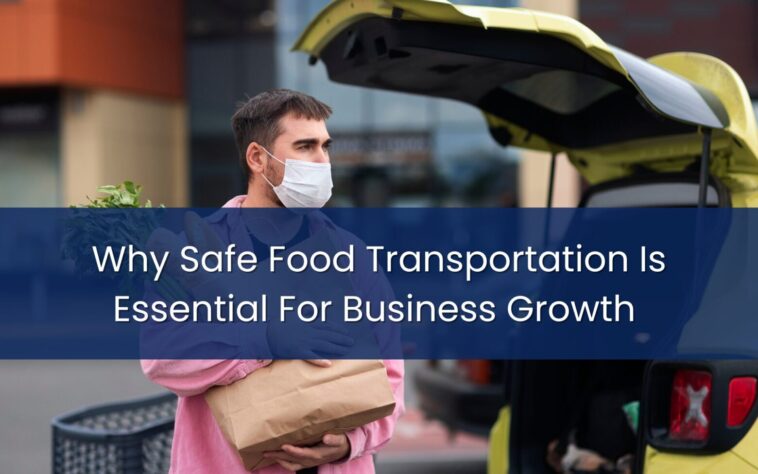
The global food logistics market is growing at a rapid rate. With this increase in demand, there comes an increase in food safety risks. Foods must be stored appropriately and distributed to ensure they aren’t contaminated or spoiled. The storage and distribution phases require the same level of vigilance as the production process. Without this vigilance, people may receive foods that could harm them.
Why Safe Storage and Distribution Are Essential
Foods must be safely stored and distributed for consumer safety. The food transportation company handles these tasks and must guard against temperature fluctuations and cross-contamination. Certain food products are highly vulnerable during transport. Dairy and eggs are good examples of foods that improper storage and distribution methods can harm. Ground beef is another product that must be kept at a specific temperature to prevent it from spoiling.

Food transportation companies must ensure that allergens, chemicals, and microbes are not unintentionally transferred between products. This concern is especially prevalent when they are transporting bulk items such as grains or seeds. Improper cleaning of transport vehicles could lead to cross-contamination, and damaged packaging could result in items being contaminated. Finally, employees must be adequately trained to reduce the risk of cross-contamination.
Food Waste
If food isn’t properly stored and distributed, money is lost to waste. Recalls may be needed to protect the public, and any products affected must be disposed of. The Food and Agriculture Organization estimates 13 percent of food is lost between harvest and retail. Temperature monitoring is one way to minimize waste, and building systems are now being used to catch problems early and address them before food is wasted.
Optimized Supply Chain
The supply chain must be optimized to move goods from the harvest to retailers smoothly. Retailers gain more control over their inventory levels, and manufacturers experience fewer storage bottlenecks. These steps reduce spoilage, thereby decreasing the need to ramp up production due to items going bad.
Best Practices
Companies must take steps to ensure food is kept at the proper temperature. High-quality insulated containers should be used throughout the transport process. Delivery routes must be optimized to minimize time spent in transit and environmental exposure. Fleet vehicles require regular maintenance to reduce the risk of breakdowns, and all should be equipped with real-time monitoring systems to detect and record temperature fluctuations.
The driver should be trained to manually check their cargo and temperature systems to ensure everything remains as expected. Temperature monitoring requires detailed records to ensure the company complies with all rules and regulations. These records are also beneficial if an investigation must be conducted into food spoilage. When loading and unloading goods, staff members must minimize temperature fluctuations.
Cross-contamination is also a concern, as previously mentioned. Cleaning protocols should be validated to ensure all vehicles remain free of product residues and cleaning agents. Packaging integrity should be checked at each stage of the supply chain to detect and address any spills and tears promptly. Strict storage procedures must be in place to ensure allergens do not come into contact with non-allergens, and traceability systems must be implemented to identify and isolate any sources of contamination. Furthermore, the company must ensure the cargo cannot be tampered with, particularly when it travels long distances.
Food transportation companies should be certified, as these certifications show they comply with all rules and regulations. Additionally, certified companies must continuously work to improve and avoid complacency. The importance of food safety can never be discounted. Companies that prioritize this can meet their customers’ needs and rise above the competition.