Hajra Naz
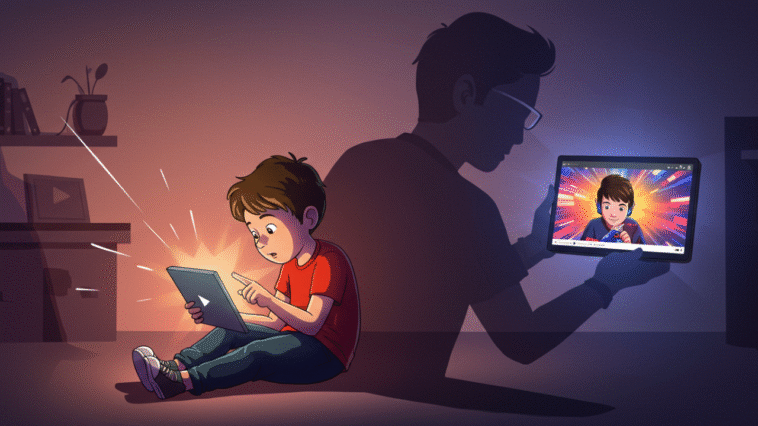
YouTube cofounder Steve Chen has spoken openly about his concerns with short-form video platforms like TikTok, Instagram Reels, and YouTube Shorts—especially when it comes to children.
Chen, who is also a father of two, said he worries about how these types of videos could affect kids’ ability to focus. He explained that while short clips are fun, they may encourage habits that shorten attention spans.

“I don’t know if I want my kids to be watching short-form content as their only way,” Chen said during a talk at Stanford Business School, published on Friday. “If they can’t even sit through something that’s more than 15 minutes, that’s a problem.”
Chen added that while TikTok has become a popular source of entertainment, he doesn’t see it as something that provides lasting value.
“I think TikTok is entertainment, but it’s purely entertainment,” he said. “It’s just for that moment. Shorter form content equates to shorter attention spans.”
From YouTube to Parenting Concerns
Chen cofounded YouTube in 2005 with former PayPal colleagues. He served as chief technology officer before selling it to Google in 2006. After that, he launched several startups. In 2019, he moved to Taiwan with his family.
Now, as a parent, he pays close attention to how digital platforms affect kids. In his talk, he said some parents limit what their children watch. They avoid flashy, fast-paced videos that hook attention. Instead, they encourage kids to watch longer content that builds focus.
Chen even suggested that tech platforms should do more on their end. He proposed setting time restrictions on daily app use, tailored to different age groups.
“There’s this delicate balance,” Chen said, “between what will keep users’ eyes glued to the screen and monetize more, versus what is actually useful.”
Other Tech Leaders Share the Same Worries
Chen’s concerns aren’t unique. They echo recent remarks made by other tech leaders and academics.
Sam Altman, CEO of OpenAI and a new father, shared his worries on a podcast last week. He said he is deeply concerned about short video feeds. These quick dopamine hits, he warned, could affect children’s brain development over time.
“I do have worries about kids and technology,” Altman said. “This short video feed dopamine hit feels like it’s probably messing with kids’ brain development in a super deep way.”
Read More: OpenAI CEO Drops Surprising Truth About ChatGPT in Podcast
Academics have also been raising alarms. Jonathan Haidt, a professor at the NYU Stern School of Business, has long argued that social media apps are harmful to young people. In an interview earlier this year, he said these platforms are “severely damaging children in the Western world.”
Haidt, author of The Anxious Generation, believes smartphones and constant scrolling are reducing young people’s ability to concentrate.
“The decimation of human attention around the world might even be a bigger cost to humanity than the mental health and mental illness epidemic,” Haidt warned.
A Growing Debate