Hajra Naz
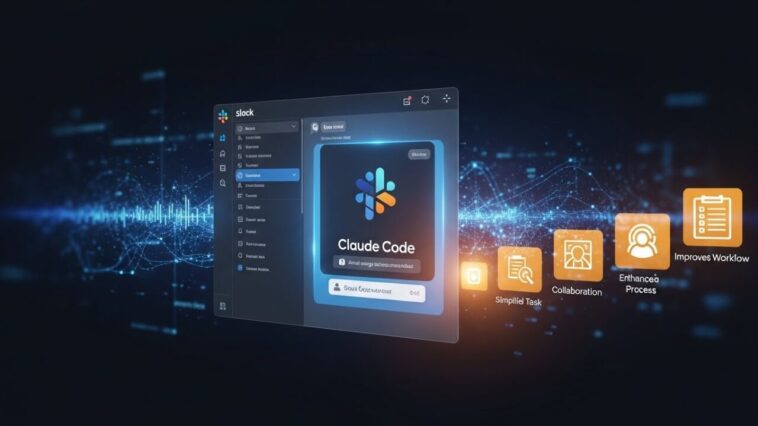
Anthropic is rolling out Claude Code in Slack, giving developers a way to hand off coding tasks directly inside chat threads. The beta feature goes live Monday as a research preview and builds on Anthropic’s existing Slack integration by adding full workflow automation. The message behind the launch is clear: the next big leap for coding assistants isn’t just the model; it’s the workflow.
Until now, developers could only use Claude in Slack for light coding tasks like generating snippets, debugging, or getting quick explanations. That changes with the new update. Developers can now tag @Claude to launch a full coding session that uses the context already inside Slack, such as bug reports or feature requests. Claude scans recent messages, identifies the correct repository, posts progress updates directly in the thread, and shares links to review the work and open pull requests.

The move highlights a broader shift across the industry. AI coding assistants are moving out of IDEs, the traditional home for software development, and into collaboration platforms where teams spend most of their time.

Cursor already offers Slack tools for drafting and debugging code in threads. GitHub Copilot recently added the ability to generate pull requests from chat. OpenAI’s Codex can be accessed through custom Slack bots.
This trend gives Slack a strategic opportunity. By positioning itself as an “agentic hub” where AI tools merge with workplace context, Slack could influence how engineering teams operate. The AI tool that becomes dominant inside Slack, the center of many companies’ development communication, could end up shaping the future of team workflows.
Claude Code, along with similar tools, aims to eliminate the need to switch between apps. Developers can move straight from conversation to code, making collaboration tighter and faster. It marks a shift toward AI-embedded teamwork that could reshape how developers work day to day.
Anthropic hasn’t confirmed when a wider rollout will happen. But the timing makes sense. The AI coding space is heating up, and the real differentiation now depends on integration depth and distribution, not just model strength.
Still, the feature introduces new concerns. Code security and IP protection become more complicated when another platform gains access to sensitive repositories. Teams will also need to manage new risks: outages or rate limits in Slack or Claude’s API could suddenly disrupt workflows that previously lived inside local, controlled environments.