Hajra Naz
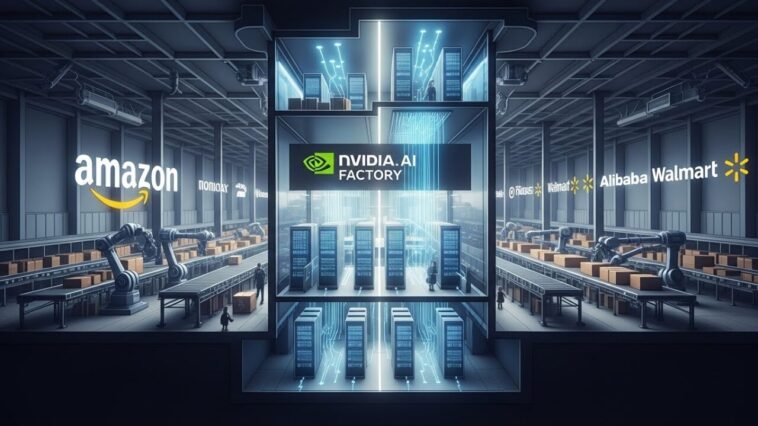
Amazon introduced a new product called AI Factories. It lets large companies and governments run Amazon’s AI systems inside their own data centers. AWS explained it like this. The customer brings the building and the power. AWS installs the full AI setup, manages it, and links it with cloud services across AWS.
This move targets organizations that care deeply about data sovereignty, privacy rules, and tight control of sensitive data. An on-prem AI factory means they keep the data on-site. They avoid sending it to any model maker. They avoid sharing hardware with a third party. This keeps their information sealed away from competitors and foreign threats. Trending keywords tied to this topic include AI infrastructure, Nvidia Blackwell, edge AI, and sovereign cloud.

Read More: AWS invests $50B in advanced AI infrastructure for the US government
The name AI Factory may sound familiar. Nvidia uses the same phrase for its high-end hardware systems. Those systems carry GPU clusters and fast networking gear built for AI. In this case, both companies confirmed a joint effort. The AWS version blends Nvidia technology with AWS tools.
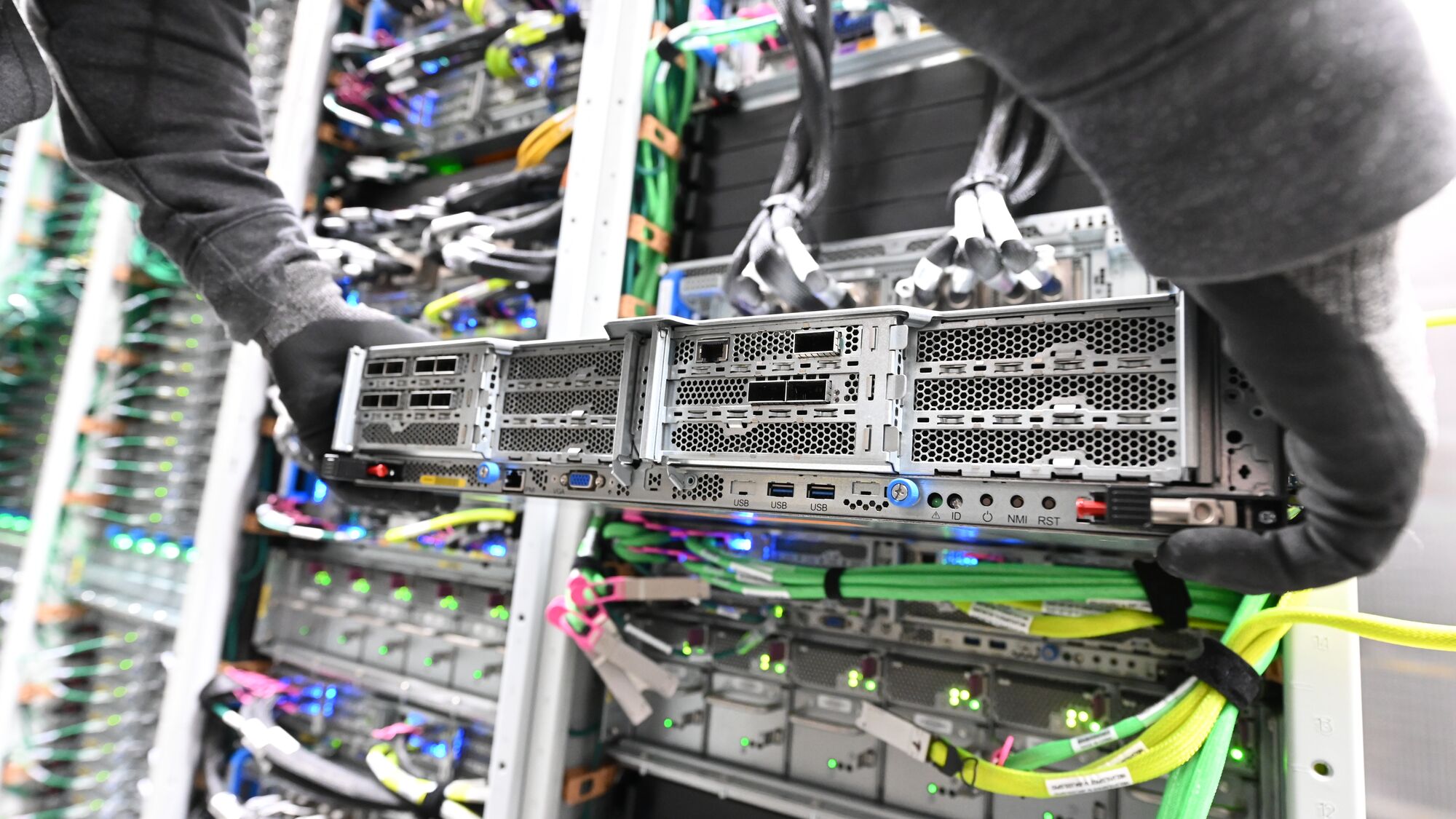
Customers can choose Nvidia’s Blackwell GPUs or Amazon’s Trainium3 chip. The setup runs on AWS networking, storage, databases, and security tools. It also connects with Amazon Bedrock for model access and AWS SageMaker for model training. This gives customers full control with a complete AI stack inside their walls.
AWS is not the only giant doing this. Microsoft unveiled its own Nvidia-powered AI Factories in October. These systems run OpenAI workloads in Microsoft’s global data centers. Microsoft also talked about new AI Superfactories planned for Wisconsin and Georgia. Those builds rely on more Nvidia hardware. At the same time, Microsoft described options for local data centers that support privacy needs. One option is Azure Local. It places Microsoft-managed hardware inside client facilities.
The trend is clear. AI has pushed major cloud providers back toward private data centers and hybrid cloud systems. The market looks similar to 2009 in that sense. But the power level is far higher. Companies want control, speed, and privacy. Cloud giants now race to serve that demand with advanced on-site AI infrastructure.