Hassan Khan
Samsung Unveils Galaxy XR: A Bold Step Into the AI-Powered Future of Mixed Reality
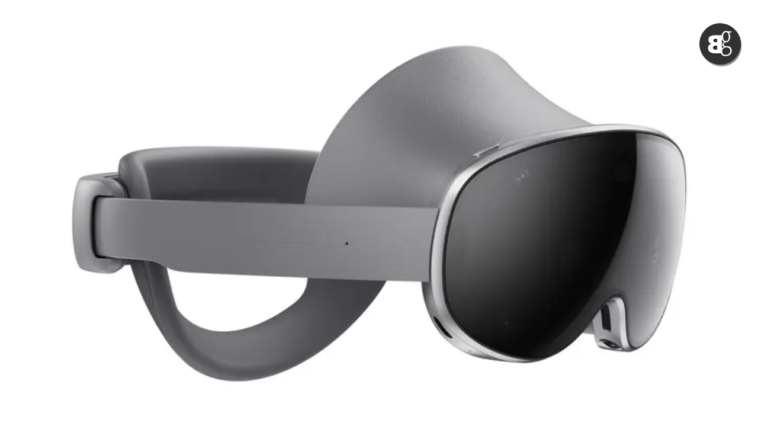
After months of cryptic teasers and rumors under the codename “Project Moohan,” Samsung has finally lifted the curtain on its highly anticipated mixed reality headset the Galaxy XR. The device marks Samsung’s reentry into the immersive tech arena, and this time, it’s not just about virtual worlds it’s about AI-driven experiences that feel genuinely personal.

AI at the Core of Galaxy XR
According to Kihwan Kim, Executive VP and Head of Samsung’s Immersive Solution R&D Team, the timing couldn’t be more right.
“We’re at an inflection point where breakthroughs in multimodal AI models are unlocking new ways to interact,” Kim said. “Galaxy XR isn’t just a headset it’s an AI native device.”
That’s the key phrase AI-native. Samsung isn’t merely adding AI features as an afterthought; the entire interface, experience, and interaction model are powered by artificial intelligence designed to understand and adapt to users’ behavior.
Partnership Power: Google and Qualcomm
The Galaxy XR runs on Android XR, a platform co-developed by Samsung, Google, and Qualcomm. This trio aims to build an open, scalable ecosystem a sharp contrast to Apple’s tightly controlled Vision Pro environment.
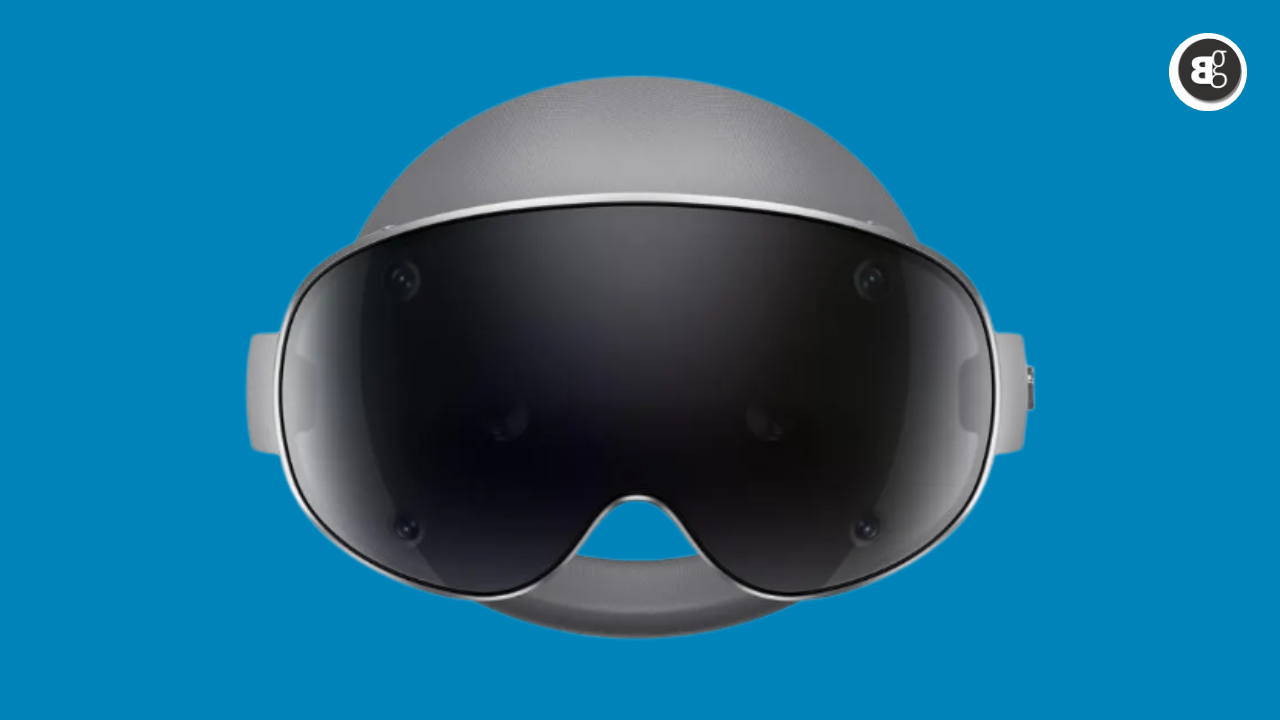
The device uses Qualcomm’s Snapdragon XR2 Plus Gen 2 chip, paired with 13 built-in cameras and sensors. These work together to process real time motion, depth, and visual data. Instead of packing extra chipsets, Samsung optimized how data flows across the system a move that keeps the headset lightweight while delivering flagship level performance.
Comfort and Design: Built for Real Users
Comfort has long been the Achilles’ heel of VR and XR devices. Apple’s Vision Pro drew criticism for its bulk, while Meta’s Quest lineup has struggled with long wear ergonomics. Samsung seems to have learned from both.
The Galaxy XR distributes weight evenly between the forehead and back of the skull, drastically reducing facial pressure. Its external battery design keeps the headset compact, while 3D fit simulations ensure it fits comfortably across genders, ages, and ethnicities.
See More: Meta Unveils Next-Gen VR Headsets With Stunning Visual Realism
As Sean Choi, Director at Samsung’s Immersive Team, put it:
“Galaxy XR delivers perfect balance and ergonomic design for extended usage. It’s built for real people not just tech demos.”
Beyond Hardware: A Unified Galaxy Experience
Samsung’s strategy is clear the headset is part of a larger AI-connected ecosystem that includes Galaxy phones, watches, and wearables. With features like real time translation, gesture control, and personalized UI elements, Samsung envisions a future where devices talk to each other seamlessly, adapting to users’ habits in real time.
Kim hints this is just the beginning:
“Glasses will play a central role in what comes next,” he said, suggesting Samsung is already developing smart glasses to extend its XR ecosystem.
The Road Ahead
The XR market is heating up with Apple, Meta, and now Samsung shaping what the next generation of computing looks like. Analysts expect the global XR industry to reach $105 billion by 2030, and Samsung’s late but calculated entry could make it a serious contender.
For now, Galaxy XR feels like a statement that Samsung’s vision of the future isn’t confined to screens in our hands but experiences that surround us, powered by AI that actually understands us.