
 Hassan Khan
Education has always been shaped by big shifts the printing press, the internet, and now artificial intelligence. Among the most debated tools today are AI chatbots and Large Language Models (LLMs). They’re smart, fast, and efficient, but the question isn’t whether they can change education it’s whether that change will strengthen or weaken the way we truly learn.
For teachers, parents, and policymakers, this isn’t just a tech debate. It’s about how the next generation will think, reason, and create.

The Promise of AI in the Classroom
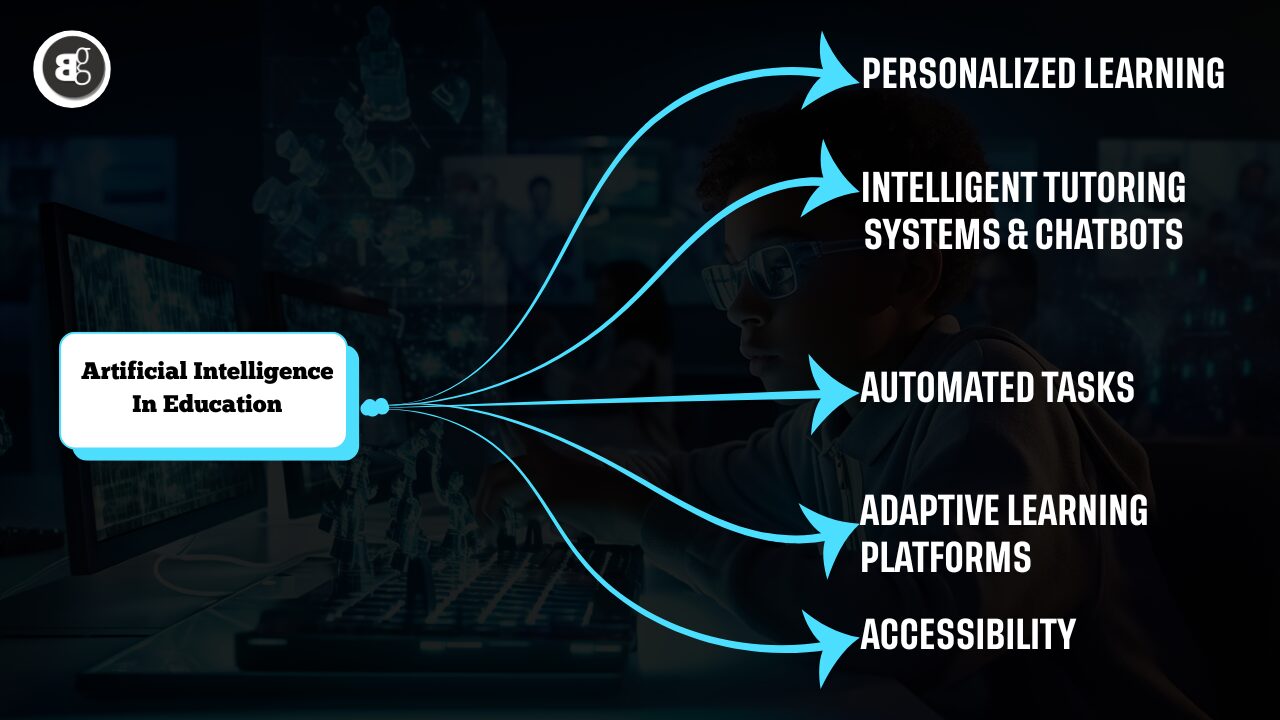
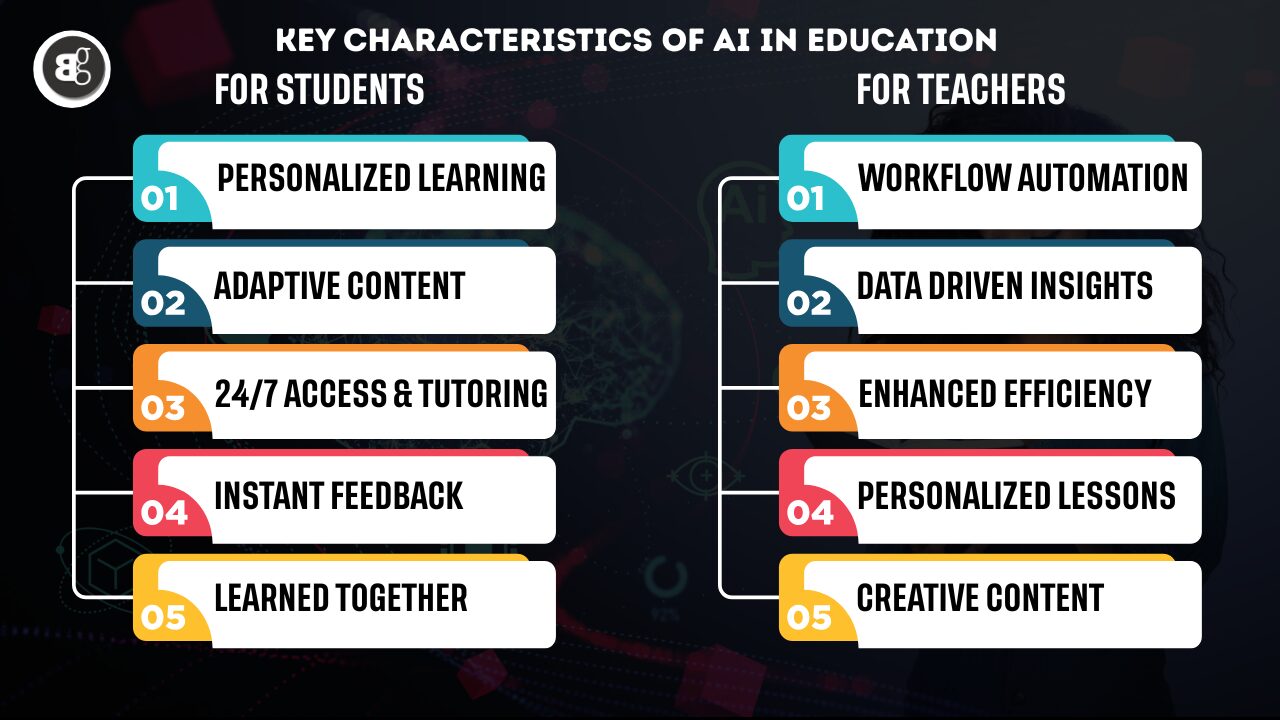
Let’s be fair AI tools bring undeniable benefits. A chatbot can summarize chapters in seconds, explain tricky concepts in plain language, or help students brainstorm ideas for an essay. For learners who struggle with traditional methods, AI offers a safety net and makes knowledge more accessible.
In fact, many educators are already experimenting with AI as a tutor, translator, or research assistant. Done right, it can save time, ease workloads, and even make learning more interactive.
But here’s the catch education isn’t just about speed. It’s about process.
>
Learning Is More Than Output
Think about the act of writing an essay. It isn’t just about producing paragraphs it’s about the mental struggle of connecting ideas, organizing thoughts, and clarifying your own arguments. That process is where critical thinking takes shape.
Read More: How Chatbots Are Changing the Internet: The Digital Shift Explained
When AI takes over these steps, students may get a polished answer, but they miss out on the struggle the very thing that builds long term understanding. The same applies to reading: when a chatbot summarizes a book, it skips the personal engagement where ideas trigger new connections in the reader’s mind.
Without these “Messy” processes, education risks becoming hollow all output, no growth.
The Risks of Over Reliance
One of the biggest dangers is deskilling. If students stop practicing how to write, argue, or analyze, they risk losing those abilities altogether. And once skills fade, they’re hard to recover.
Then there’s the problem of Hallucination AI’s tendency to confidently invent facts or references that don’t exist. A student relying blindly on such output may unknowingly spread misinformation. Worse, the habit of “Outsourcing Thinking” could create a generation less equipped to question or verify knowledge.
In short: Efficiency comes at a cost, and in education, that cost might be too high.
Education in the Age of Short Attention Spans
We also need to face another reality today’s students live in a world of reels, TikToks, and 10 second content. Attention spans are shrinking, and the temptation to let AI do the “Heavy Lifting” only feeds that cycle.
For young minds, skipping the deeper process of reading and writing isn’t just laziness it could mean missing out on the very brain development that schools are supposed to nurture.
Why Institutions Must Step In
This is where schools and universities must step up. They cannot simply embrace AI without rules. At the very least, restrictions should be in place for core stages of learning where reading, writing, and reasoning are built.
AI can be a supportive tool, yes, but it should never replace the fundamental building blocks of education. Just as calculators are restricted in early math classes, AI should have its boundaries in the learning journey.
The Bigger Picture Society and Work
Zooming out, the implications go beyond classrooms. A society over reliant on AI risks producing a workforce that is less skilled, more replaceable, and ultimately more vulnerable. Deskilled labor is easily discarded.
See More: AI Impact on Gaming Industry: 10 Ways It’s Changing Games Forever
At the same time, private companies own most of these Technologies, and the benefits often flow to a few rather than to society at large. If AI Reduces Human Roles without redistributing its gains fairly, we may face deeper inequality and unrest.
So the question isn’t just educational it’s political and social, too.
Taking the Risk
AI is here to stay, and pretending otherwise is pointless. The real challenge is balance. Instead of outsourcing everything to machines, we need to use AI as a supplement a way to enhance learning while still preserving the struggle, the process, and the human growth that comes with it.
Education should empower students not just to know, but to think, argue, and imagine. That’s something no chatbot can do for us.
Summary


