Hajra Naz
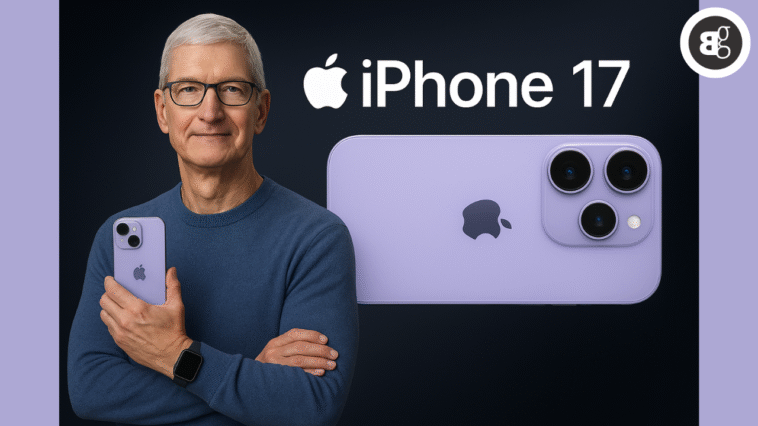
Apple just held its latest product event, unveiling new iPhones, Apple Watches, AirPods, and software updates.
Release Date
All new products will officially launch on September 19. Pre-orders are already open, with shipping and in-store availability starting that day.

Here’s the full breakdown of what’s coming and when.
iPhone Lineup
1. iPhone 17 Air
-
Brand-new model, thinner and lighter than any previous iPhone. Built with a titanium body for strength and sleekness. Starting price: $999
2. iPhone 17
-
Entry-level model, still priced at $799. Features an improved display with a higher refresh rate. Enhanced camera system for sharper photos. Slightly larger screen, while phone size remains compact
3. iPhone 17 Pro
-
Price increase of $100, now starting at $1,099. Ships with 256GB storage standard (up from 128GB). Packed with Apple’s newest A19 Pro chip for better performance (new point)
4. iPhone 17 Pro Max
-
Starts at $1,199 with no major price change. New 2TB storage option for power users. Battery life extended by 2 hours compared to last year (new point)
AirPods Pro 3
-
Price remains $249. Improved audio quality and noise cancellation. New standout feature: real-time language translation during conversations. Added health monitoring for hearing protection, warning users if volume levels are unsafe.
Apple Watch Series 11
-
Includes updates to SE and Ultra models. Prices remain unchanged. New machine-learning powered health tool to predict high blood pressure risks. Battery efficiency improved by 15%, giving Ultra models longer endurance.
Software Updates
-
iOS 26 is available as a free update on Monday. Brings redesigned Control Center for easier navigation.
Other Key Highlights
-
Apple’s environmental push: Packaging now uses 100% recycled materials in all new iPhones.
-
Security boost: iOS 26 introduces stronger anti-phishing protections in Safari.
-
Gaming upgrades: iPhone 17 Pro models optimized for console-level mobile gaming.
Read More: How to Watch Apple’s iPhone 17 Announcement Live
Apple CEO Tim Cook Opens Event with Focus on Design and Innovation

Apple CEO Tim Cook opened the launch event with a short but meaningful speech on design philosophy. He reminded the audience that design is “at the core of everything we do” at Apple.
“Design has always been fundamental to who we are,” Cook said. “It’s not just about how something looks or feels — it’s also about how it works.”
Cook highlighted that Apple would be unveiling new Apple Watches, iPhones, and AirPods during the event. He also noted that innovation and design go hand in hand, shaping Apple’s mission to create products that are both powerful and intuitive.
Interestingly, Apple’s legendary former design chief, Jony Ive, who left the company in 2019, is now collaborating with OpenAI on new competing hardware products.
As is tradition, Cook shared a photo of a sunrise over Apple Park in Cupertino, California, to mark launch day. He said the image symbolizes new beginnings and Apple’s ongoing journey to push boundaries in technology and design.
Apple to Release iOS 26 on Monday
Apple has confirmed that iOS 26, the latest version of its iPhone operating system, will officially launch on Monday. The update will also come pre-installed on the new iPhone models hitting stores next week.
The most noticeable upgrade in iOS 26 is a complete visual redesign. Apple is calling the fresh look “liquid glass.” Static, opaque buttons and menus have been replaced with sleek animations and transparent designs that appear to flow smoothly as users navigate through apps and settings.
Apple says the redesign is intended to make the experience feel more dynamic, fluid, and immersive—a dramatic shift from the flat, static design language of previous versions.
Apple Stock Dips After Product Launch Event
Wall Street showed little excitement over Apple’s latest reveals, including the iPhone 17 Air and Apple Watch Series 11.
Shares of Apple fell about 1.5% by the time the event wrapped up, signaling muted investor enthusiasm despite the high-profile announcements.
Market Impact and Pricing Strategy
iPhone Pro is now $100 more expensive at launch

Apple’s pricing strategy reflects the challenging economic environment while maintaining competitive positioning. The entry-level iPhone 17 holds its $799 price point but doubles starting storage to 256GB. The iPhone 17 Pro sees a $100 increase to $1,099, though it includes more base storage than previous generations.
The introduction of the iPhone 17 Air at $999 replaces the discontinued iPhone 16 Plus model, offering consumers a premium design option at a mid-range price point. Industry analysts suggest this pricing strategy helps Apple navigate tariff pressures while providing value through enhanced specifications.
iPhone 17 Pro and Pro Max camera specs:Enhanced Camera System

The standard iPhone 17 maintains its $799 starting price while delivering substantial upgrades. The device features a larger 6.3-inch Super Retina XDR display with ProMotion technology, offering smoother scrolling and improved efficiency. This marks the first time Apple has brought its high refresh rate display technology to the entry-level iPhone model.
- The iPhone 17 introduces a revolutionary 18-megapixel Center Stage front camera, nearly doubling the sensor size from previous generations.
- The rear camera system features a 48-megapixel dual fusion setup, providing four times the resolution of the iPhone 16.
- Starting storage has been doubled to 256GB from the previous 128GB baseline.
iPhone 17 Air: Best Performance, All-Day Battery Life
There had been plenty of speculation about the battery life of Apple’s new iPhone Air leading up to today’s launch. Apple finally addressed it, though details remained vague.
“Despite being much thinner and lighter, iPhone Air still gets amazing all-day battery life,” the company said.
The Air’s redesigned internal structure makes room for a larger battery, while iOS 26 introduces smarter power-saving features that adapt to user habits and anticipate when energy might run low. Apple also highlighted faster wireless charging and improved efficiency in high-performance tasks, promising users won’t have to compromise power for portability.
iPhone 17 Pro and Pro Max: Professional Performance Redefined
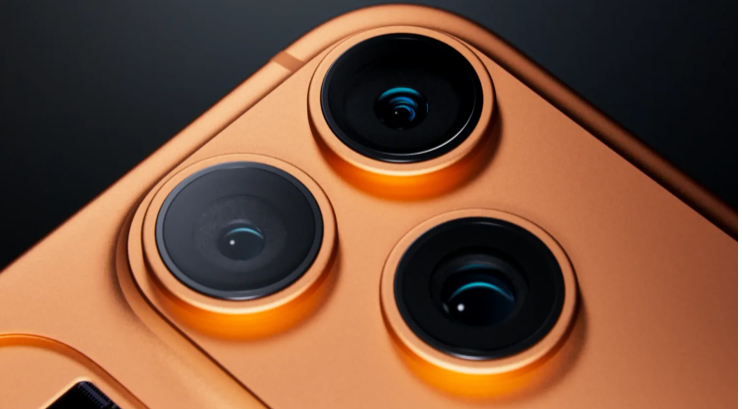
Apple redesigned the Pro models with a complete aluminum unibody construction, moving away from the titanium used in previous generations. The iPhone 17 Pro starts at $1,099 (a $100 increase from the iPhone 16 Pro) but includes 256GB of starting storage instead of 128GB. The Pro Max remains at $1,199 with a new 2TB storage option available.
Both Pro models feature Apple’s new vapor chamber thermal system, delivering 40 percent better sustained performance than the iPhone 16 Pro while remaining lighter than previous titanium models. The camera system represents a breakthrough, with all three rear cameras now featuring 48-megapixel sensors, including a new fusion telephoto offering 4x and 8x zoom capabilities.
Professional video features include ProRes RAW capture and Genlock synchronization, making the devices more suitable for high-end video production workflows. The 18-megapixel Center Stage front camera enhances selfie capabilities across the entire Pro lineup.
Read More: Apple iPhone 17 Pro: Fresh & Stunning Look Revealed In Latest Leak
A19 and A19 Pro: Next-Generation Processing Power
Apple’s new A19 and A19 Pro chips use TSMC’s advanced N3P process. This is a third-generation 3nm design. It brings big improvements in performance and efficiency.
The A19 Pro has a six-core CPU. Two are performance cores with better branch prediction and faster front-end bandwidth. Four are efficiency cores with 50% more last-level cache.
Graphics also get a huge boost. The A19 Pro delivers up to 40% better sustained performance than before. It features second-gen Dynamic Caching and ML accelerators inside the GPU. That means MacBook Pro-level performance in an iPhone.
Apple also upgraded the Neural Engine. It now handles advanced machine learning on-device. This keeps data private and reduces latency. The chips also support local LLM processing. That makes Apple’s intelligence features much more powerful.
iPhone 17’s upgraded camera

Apple revealed that iPhone users snapped more than 500 billion selfies last year, underscoring just how central the camera has become. The new iPhone 17 introduces a “center stage” front camera with the largest sensor yet—nearly double the size of its predecessor.
On the back, the device boasts a 48-megapixel dual fusion system, delivering four times the resolution of the iPhone 16. Apple says this upgrade dramatically improves low-light performance and brings sharper detail to portrait and video modes.
The company also teased new AI-powered editing tools that will make everyday photography feel closer to professional studio work.
iPhone 17 Air: The Thinnest iPhone Ever

Apple introduced its most significant design innovation since 2017 with the iPhone 17 Air, measuring just 5.6 millimeters thick. This revolutionary device represents Apple’s first major iPhone redesign in nearly a decade, featuring a titanium frame that Apple describes as “space grade.”
Read More: Apple’s iPhone 17: Thinnest Ever, Plus What Else to Expect at the Hardware Event
iPhone 17: Enhanced Display
In past years, Apple kept its entry-level iPhones apart from the “Pro” models with ProMotion — a higher refresh rate that makes scrolling and animations smoother.
On Tuesday, Apple announced that the iPhone 17 will now include ProMotion. It also gets a larger 6.3-inch display with slimmer bezels, while the overall phone size remains the same as the iPhone 16.
Analysts note that, after battery life, display quality is one of the biggest reasons people choose to upgrade their iPhones.
iPhone 17 colors available

The iPhone 17 series will launch in five colors: lavender, mist blue, black, white, and sage.
Each device comes with Apple’s new Ceramic Shield 2, which the company claims is three times more scratch-resistant than previous models.
Apple says the new finish also makes the phones more resistant to everyday wear and tear, helping them look newer for longer.
In addition, the devices are designed with a new coating that reduces fingerprint smudges, keeping the colors vibrant and clean.
Apple Watch Series 11: Revolutionary Health Monitoring
Apple updates its most expensive model — the Ultra 3
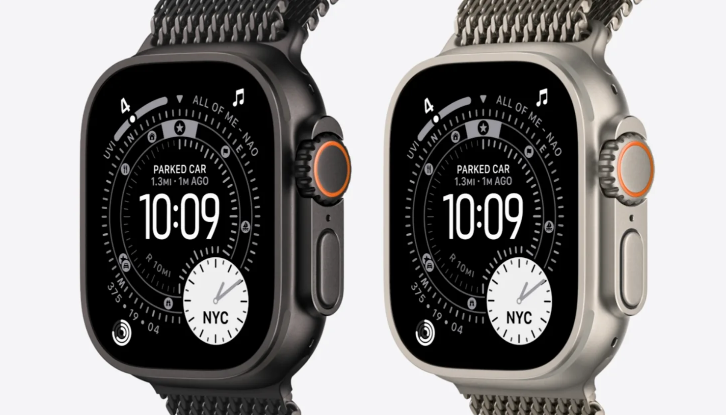
Apple’s highest-end watch, the Ultra, was first launched in 2022 and only received a minor update in 2023 — a new black color. Last year, the device went without any major improvements.
Now, Apple has introduced the Apple Watch Ultra 3, with upgrades to its display brightness, satellite connectivity, and 5G support.
It will retail for $799, the same price as its predecessor. Apple said the Ultra 3 is also more durable in extreme conditions, making it a stronger choice for athletes and outdoor adventurers. The company expects the new features to drive interest from professional users who need rugged performance.
Apple introduces Watch Series 11

Apple called its new Watch Series 11 “our thinnest and most comfortable watch.” The company highlighted a ceramic coating on the glass for extra scratch resistance, along with a redesigned 5G modem and antenna system for better connectivity.
The Series 11 is also more power efficient, which allows the device to use less battery during everyday tasks. Apple claims the lighter build makes it the most wearable watch they’ve released.
The watch also integrates seamlessly with iOS 26, enabling faster syncing and smoother notifications. Analysts believe the design changes will appeal to both new buyers and upgraders from older models.
Apple Watch Series 11 delivers 24 hours of battery life
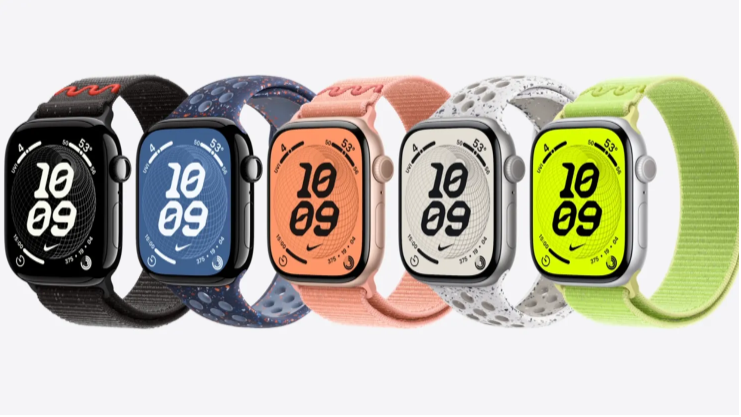
The Apple Watch Series 11 will offer an all-day 24-hour battery life, according to Apple. It will also be available in a wider range of finishes, including jet black, silver, rose gold, and a brand-new gray color.
Apple says the longer battery life was achieved through a combination of more efficient chip design and optimized power management in watchOS.
The extended battery life makes it easier for users to wear the watch continuously for fitness tracking and sleep monitoring. This update directly addresses one of the biggest complaints about past models.
Apple Watch adds blood pressure monitoring
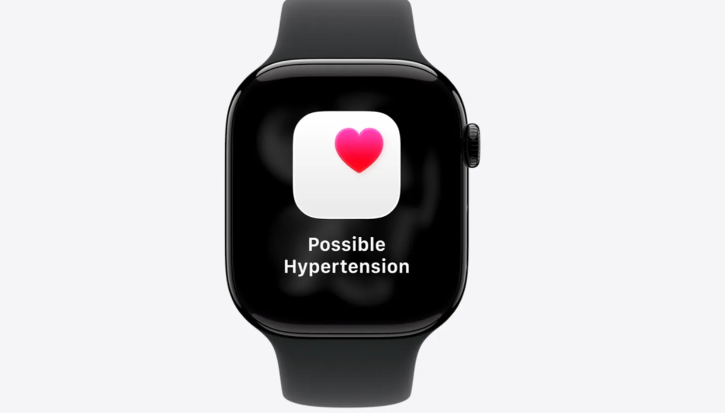
Apple continues to position the Apple Watch as a health tool, with the Series 11’s biggest medical advancement being its ability to monitor hypertension, or high blood pressure.
The feature works by using an algorithm to analyze long-term data collected over 30-day periods. Apple said the technology is based on studies with 100,000 participants, ensuring accuracy across a wide sample.
According to Apple’s health VP, Sumbul Desai, the watch uses its optical heart sensor to track vascular responses. While it won’t catch every case of hypertension, Apple expects to receive FDA clearance soon.
The company believes this feature could encourage more doctors to recommend Apple Watches to patients at risk. If approved, it would represent one of Apple’s most significant steps into preventative health care.
Read More: iPhone 17 Pro/Max vs iPhone 16 Pro/Max: Full Comparison Guide
Apple Watch starting prices remain unchanged
Apple announced pricing for its new Apple Watches, known as the Series 11 lineup, and decided not to raise starting prices, despite speculation from Wall Street analysts who expected higher costs due to tariffs.
The entry-level Apple Watch SE 3 will continue to start at $249. The mainline Apple Watch Series 11 begins at $399, and the premium Apple Watch Ultra 3 is priced from $799.
Apple emphasized that keeping prices steady allows more users to upgrade without hesitation. Analysts say this move could help Apple defend its strong market share in the smartwatch category.
AirPods Pro 3: AI-Powered Audio Innovation

Real-Time Translation Capabilities
The AirPods Pro 3 introduce revolutionary Live Translation powered by Apple Intelligence, enabling real-time conversation translation across multiple languages. The feature uses computational audio models to interpret and translate phrases instantly, with translations displayed on paired iPhones or read aloud directly through the earbuds.
For optimal functionality, both conversation participants should wear AirPods Pro 3, enabling seamless multilingual exchanges. The system automatically lowers ambient volume during translation to ensure clear communication while maintaining awareness of surroundings.
Advanced Health and Fitness Integration
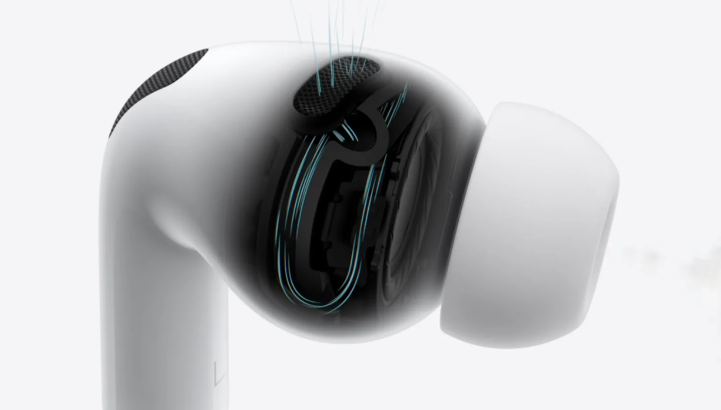
AirPods Pro 3 include built-in heart rate sensing capabilities for the first time, featuring custom-developed sensors that work alongside accelerometers, gyroscopes, and GPS data. The earbuds can accurately track heart rate, calories burned, and activity across 50 different workout types.
Apple Fitness+ subscribers receive additional benefits with real-time performance metrics displayed on screen, including heart rate, calorie burn, Move ring progress, and the Burn Bar. The Workout Buddy feature, powered by Apple Intelligence, acts as a virtual training partner providing personalized guidance.
Improved Audio Quality and Design

The new earbuds deliver the world’s best active noise cancellation for in-ear wireless headphones, offering up to 2x more effective noise reduction than AirPods Pro 2 and 4x more than the original AirPods Pro. This improvement comes from ultra-low noise microphones and advanced computational audio combined with new foam-infused ear tips.
Apple redesigned the earbuds based on analysis of over 10,000 ear scans, creating a smaller profile with five ear tip sizes (up from three) for better fit and comfort. The devices now offer IP57 water and dust resistance for enhanced durability during workouts.
Battery life has increased significantly, providing 8 hours of listening with ANC enabled and up to 10 hours in transparency mode—representing a 33 percent increase over previous generations. The AirPods Pro 3 maintain the $249 price point of their predecessors.
iOS 26: The Liquid Glass Revolution
Visual Design Transformation
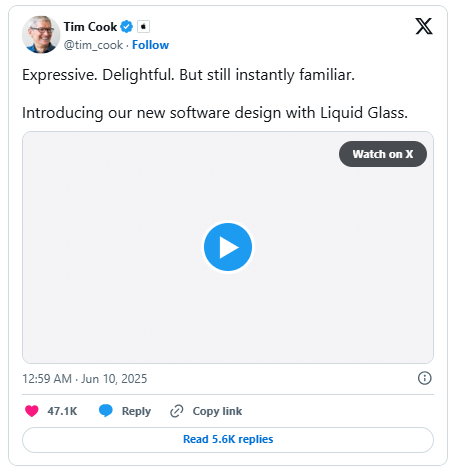
iOS 26 represents Apple’s most comprehensive visual redesign since iOS 7, introducing the revolutionary “Liquid Glass” design language. This translucent material reflects and refracts surroundings while dynamically transforming to enhance content focus. The design extends across all Apple platforms—iOS 26, iPadOS 26, macOS Tahoe 26, watchOS 26, and tvOS 26—creating unprecedented harmony while maintaining each platform’s unique characteristics.
The lock screen features a redesigned time and date widget that adapts to photo subjects and notification counts. Users can create spatial scenes that provide 3D depth effects when moving the device, reminiscent of Nintendo 3DS technology. The home screen offers new customization options, including the ability to alter icon designs or make them translucent.
Enhanced Apps and Features
The Camera app receives a complete Liquid Glass redesign with a rounded UI and unified settings access. All photo and video quality options are now available in one location, streamlining the user experience. The Photos app gains new Library and Collections tabs with the ability to transform 2D photos into 3D Spatial Scenes.
iOS 26 introduces a dedicated Passwords app consolidating passwords, passkeys, Wi-Fi logins, and shared credentials in one secure location. Messages receives upgrades, including emoji and sticker tapbacks, text effects, scheduled messaging, and expanded satellite messaging support for emergencies. Safari features a smaller, more adaptable tab bar design.
Apple Intelligence Integration
Siri receives significant improvements with better natural language understanding and on-screen awareness, delivering more responsive and contextual interactions. Visual Intelligence, Apple’s image recognition system, gains performance enhancements for better object and text recognition. The update includes AI-generated call summaries and live translation capabilities powered by on-device processing.
Read More: Apple Gears Up to Launch iPhone 17 ‘Air’ at Awe Dropping Event
Device Compatibility
iOS 26 requires devices with A13 chips or newer, meaning older models like the iPhone XR, iPhone XS, and iPhone XS Max will not support the full Liquid Glass experience. Compatible devices include iPhone 11 series and newer models. The software will be available as a free download on Monday, September 16, 2025.
Cost of New Apple iPhones
One of the biggest questions for Apple fans and investors this year is the price of the new iPhones. Many consumer products — from shoes to coffee — have already gone up in price. Tariffs are driving much of this. Analysts think Apple may take the same approach.
Apple admitted in July that tariffs could cost the company over $1 billion in just one quarter. But if prices rise, Apple won’t point to tariffs. Instead, it will highlight new technology, faster chips, and better features as the reason.
IDC analyst Nabila Popal summed it up:
“No one’s going to come out and say it’s related to tariffs.”
There is also talk that Apple may drop entry-level storage options. This would automatically raise starting prices. Apple usually charges $100 more to move from 128GB to 256GB.
Analysts at JPMorgan say Apple could cut the 128GB iPhone Pro, which costs $999 today. That would make the iPhone 17 Pro start at $1,099 with 256GB, pushing buyers into a higher tier.
Expected iPhone 17 Pricing
| Model | Storage (Base) | Starting Price |
|---|---|---|
| iPhone 17 | 128GB | $799 |
| iPhone 17 Air | 128GB | $999 |
| iPhone 17 Pro | 256GB* | $1,099 |
| iPhone 17 Pro Max | 256GB | $1,199 |
| iPhone 17 Pro Max (High-End) | 2TB | $1,799+ |
Availability and Pre-Order Information
Pre-orders for Apple’s new devices start on Friday, September 12, 2025. General availability begins on Friday, September 19, 2025. The iPhone 17 series will roll out to 22 more countries and regions on September 26, 2025.
The new iOS 26 will launch as a free software update on Monday, September 16, 2025. This means existing iPhone users will immediately get access to the new Liquid Glass interface.
Apple’s September 2025 event marked a major milestone. The company introduced breakthroughs in health monitoring, AI-powered communication, and mobile processing power. The updates show Apple’s push to expand technology while keeping the seamless user experience that defines its brand.