Hassan Khan
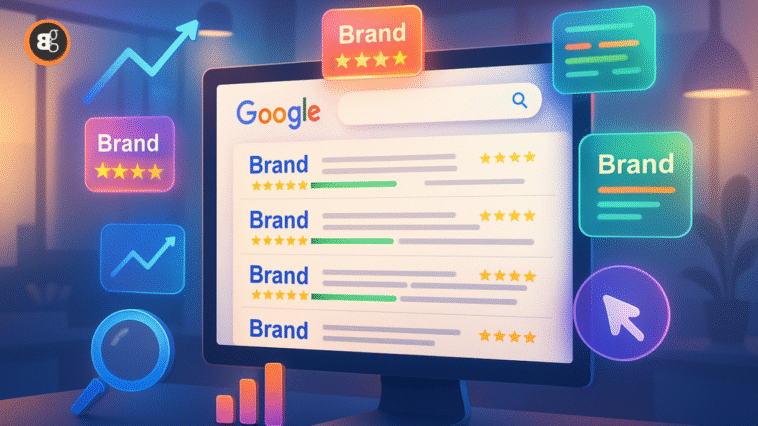
Do you know what “SERP” stands for? It means “Search Engine Results Page.” Be honest have you ever typed your brand’s name into Google and shrink a little at what popped up? Maybe it was a dusty old blog post, an outdated logo, or nothing at all. It’s weird, right? You work hard on your business, your identity but what people see on the first page of Google might not reflect that at all.
Your SERP (Search Engine Results Page) presence is your brand’s digital first impression. It’s the handshake before the handshake the moment someone searches your name and decides if you’re legit, relevant, or trustworthy.

So Let’s Get Started
What Even Is a SERP Presence and Why Does It Matter?
Think of your SERP presence as your brand’s online business card. It includes everything that shows up when someone Googles your name your website, social profiles, articles, videos, reviews, and even random stuff from years ago.
See More: AI Content & CTR in 2025: How to Rank Higher & Stay Visible in Google Search
If that search result feels messy or empty, it doesn’t build trust. People might wonder if your business is legit or if you even care about your online image.
Here’s why your SERP matters more than you think:
-
First impressions are digital now.
-
Customers Google you before buying or booking.
-
A polished SERP builds instant trust.
-
You get to tell your story instead of letting Google fill in the blanks.
So when I say, “Master your brand’s SERP presence today,” I mean take back control. Make Google show what you want it to show.
Step 1: Google Yourself (SERP Self Audit)
Seriously Open a new browser tab right now and open Google and search your brand/website name. What do you see? Are your social media pages showing up? Is the description accurate? Any outdated blog posts or old reviews? Doing a SERP audit is like walking through your digital store with fresh eyes.
Here’s what to check:
-
Is your website showing up first 2 Pages of Search Result?
-
Do your social profiles appear?
-
Are the Site titles and Meta descriptions accurate?
-
Any negative or irrelevant links
- Google Business listing (if applicable)
Write it all down. The good, the bad, and the “what even is that?” This is your SERP audit, and it’s the first step to getting clear on what needs fixing.
Read More: Top 10 AI Skills to Add to Your Resume in 2025 for Better Career Growth
I want to tell you just one thing. I did this with a client last month, and we found an old Twitter account he forgot about it was ranking higher than his actual business page. These things happen! The goal here is awareness, not perfection.
Step 2: Upgrading Your Website (Description, Title, Snippets)
Once You have Googled Your Website/ Brand, You will Notice the Post title or Blog Headline, And Meta Description in the home page or main pages of Search Result. That are all your Meta Tags. Now that you know what’s out there, let’s make sure your core info is crystal clear.
The most important pieces?
-
Your page titles (what shows on Google)
-
Your meta descriptions (those short publicity under the link)
They should:
-
Include your brand name and your main keyword
-
Actually make people want to click
-
Be updated no “2019” headlines, please
Here’s an example of a better title:
“Master Your Brand’s SERP Presence Today | For Example My Brand Name [GenzMinds.com]”
And a natural meta For Example Like this: “How to master your brand’s SERP presence today with simple, real world steps to boost visibility and build trust.”
It’s simple, clear, and sounds like a human write it.
Step 3: Fill the First Page With Content You Control
Owning your brand’s SERP isn’t just about one website. It’s about owning as much of that first page as you can.
Here’s how:
-
Claim and update your social media (LinkedIn, Twitter, Instagram)
-
Make a Google Business Profile (even if you’re online-only)
-
Create YouTube content short intros, testimonials, how-to
-
Write guest posts or interviews on other sites
-
Update your blog regularly
All of these give Google more trustworthy links to show when someone searches your name.
You want someone searching your brand to see you everywhere not outdated content or competitors.
Step 4: Use Your Google Business Profile
If you’re a local business or even a solo freelancer, Google Business Profile (formerly Google My Business) is a must. Even if you don’t run a physical shop, Google Business Profile is a huge win for your SERP.
It gives you:
-
A clean listing on the right side of search
-
Your phone, hours, website, and photos
-
Customer reviews (which matter more than you think)
Plus, it helps with local SEO meaning people near you can find your business faster.
I helped a freelance designer set one up just last month. She didn’t think it mattered, but within a few weeks, she was getting inquiries from local clients who “just found her on Google.”
So yeah it works.
Step 5: Clean Up or Push Down the Junk
Sometimes there’s stuff in your SERP you’d rather not see maybe an old review, a weird forum comment, or just irrelevant noise.
You might not be able to delete it, but here’s what you can do:
-
Publish Regular blog content
-
Get listed in trusted directories
-
Get interviewed or featured on podcasts
-
Create updated video content
-
Refresh your LinkedIn with keywords
The more new, relevant content you create, the more you “push down” the old junk.
It’s like planting new flowers to crowd out the weeds.
Example: How “WorkChest” Fixed Their Messy SERP
WorkChest, Pakistani Freelance marketplace for IT services, came to me with a problem when people Googled them, results were mixed with a Gym company of the same name.
So what we Do?
-
Added “WorkChest” to all branding
-
Created how to YouTube content
-
Wrote fresh blog posts using their exact name
-
Got them featured in two industry interviews
Three months later, their entire first page of Google was clean, branded, and professional. Clients even complimented them on how “legit” they looked online.
That’s the power of SERP presence.
Conclusion: Master Your Brand’s SERP Presence Today.
You already have a Google presence. The real question is are you owning it or ignoring it?
In a world where people Google before they call, click, or buy your SERP is everything. It’s your first impression, your credibility, your digital handshake. The good news? You can shape it. Today.
Master your brand’s SERP presence today.
Start with a quick Google search. Fix the basics. Add fresh content. Take control of what people see and more importantly, how they feel when they see it.
You’ve got this. And your future clients will thank you.
Got questions or stories about your SERP? Leave a comment below I’ll respond to the comment
FAQs: SERP Presence Today
1. What does “Master Your Brand’s SERP Presence Today” really mean?
It means taking control of how your brand appears when someone Googles you. Instead of leaving it to chance, you guide the story through your website, profiles, content, and reviews.
2. Why should small business owners care about SERP presence?
Because people will Google your business before they decide to buy from you. If your search results look empty, outdated, or messy they may not trust you. SERP presence builds confidence.
3. How fast can I improve my SERP results?
Some changes (like updating your meta tags or Google profile) can help within a few weeks. Bigger changes, like adding new content or videos, might take a couple of months. But small steps done consistently = big impact over time.