Hassan Khan
AI Is About to Rewire Our Work Week
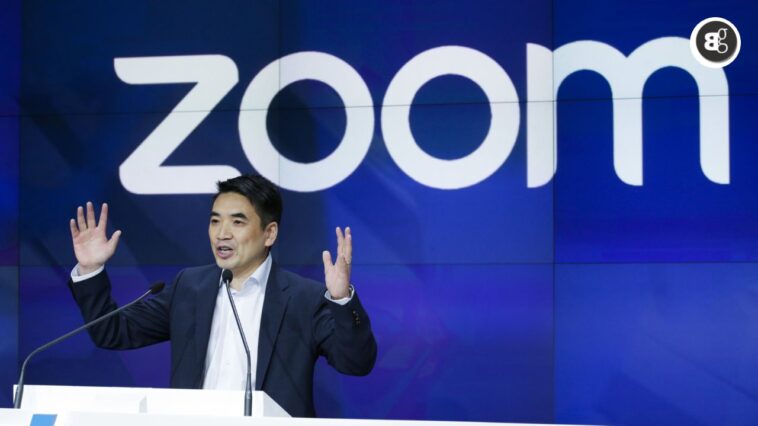
At the Zoom Communications, Inc. TechCrunch Disrupt 2025 keynote, founder and CEO Eric Yuan laid out a bold vision: thanks to AI, the traditional five-day workweek could shrink to three or four days within five years.
Yuan explained that under Zoom’s latest AI Roadmap, tools like digital twins (where an avatar can attend meetings for you) and automated inbox and document assistance will free up enough time to make shorter workweeks genuinely feasible.
How Zoom Plans to Get There
Zoom is rethinking how work happens. Yuan pointed to two specific developments:

-
Digital Twin Avatars: Yuan used his own avatar in an investor earnings call, showing how a virtual version of yourself can speak, listen and engage on your behalf.
-
AI-Powered Workflow Assistants: Beyond meetings, AI will monitor email, sort messages, highlight important items, summarise calls, and even assist whiteboards, shared docs and collaboration spaces. Yuan emphasised that these AI enhancements are already in strategy sessions at Zoom.
The Bigger Picture: Work, Life & Tools
Yuan’s point is simple: if all the repetitive, time consuming work is handled by AI, humans can focus on higher value tasks strategy, creativity, connection. He said:
“Eventually, AI will help By doing that, we do not need to work five days a week anymore… Five years out, three days or four days [a week]. That’s a goal.”
He also outlined a scenario where two executives might send their digital twins to do contract negotiations the avatars go first, then humans step in only when it matters. That kind of shift could drastically change how many hours people spend working.
See More: How Zoom’s Smart AI Is Reshaping Work for 2025 and Beyond
Challenges Ahead
Even as the vision sounds exciting, Yuan acknowledged that the technology “Is not there yet” for full implementation. He and his team see years of ramping up, fine-tuning, and ensuring AI can handle complex tasks reliably.
There are also important questions:
-
How will job roles evolve when AI handles more work?
-
How do you maintain human connection and decision making when many tasks are AI-driven?
-
Will all workers get equal access to these tools, or will it deepen divides?
Why It Matters
If this shift happens, the day to day of work changes dramatically: fewer meetings, less email overload, more focus time. A shorter workweek wouldn’t just be a perk it would reflect a fundamental redesign of how we collaborate, create and contribute. For millions of workers, that could mean more time with family, pursuing hobbies or simply rethinking what work means.