Hajra Naz
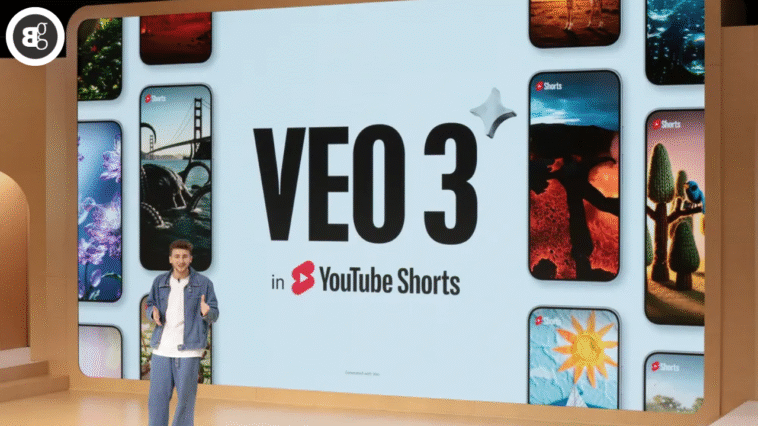
YouTube is rolling out some of its most ambitious AI-driven features yet—tools that promise to completely transform how millions of creators produce and manage content. Announced at the fourth annual Made YouTube 2025 event at New York City’s Pier 57 on September 16, these upgrades are designed to bring more creativity, accessibility, and control to creators across the globe.
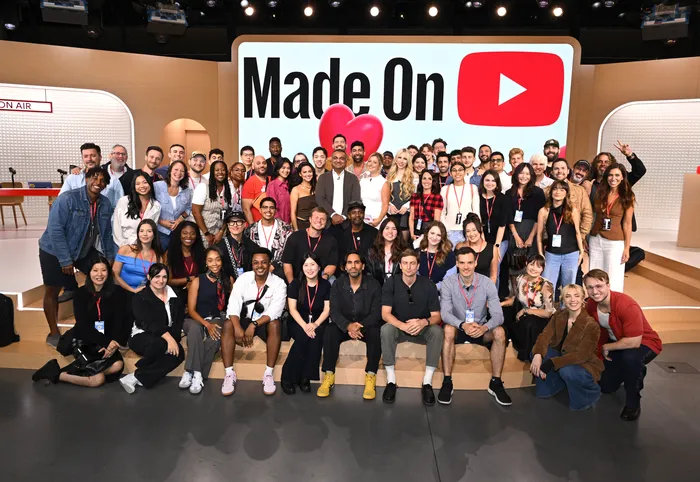
Veo 3 Fast: AI Video Creation Arrives in YouTube Shorts
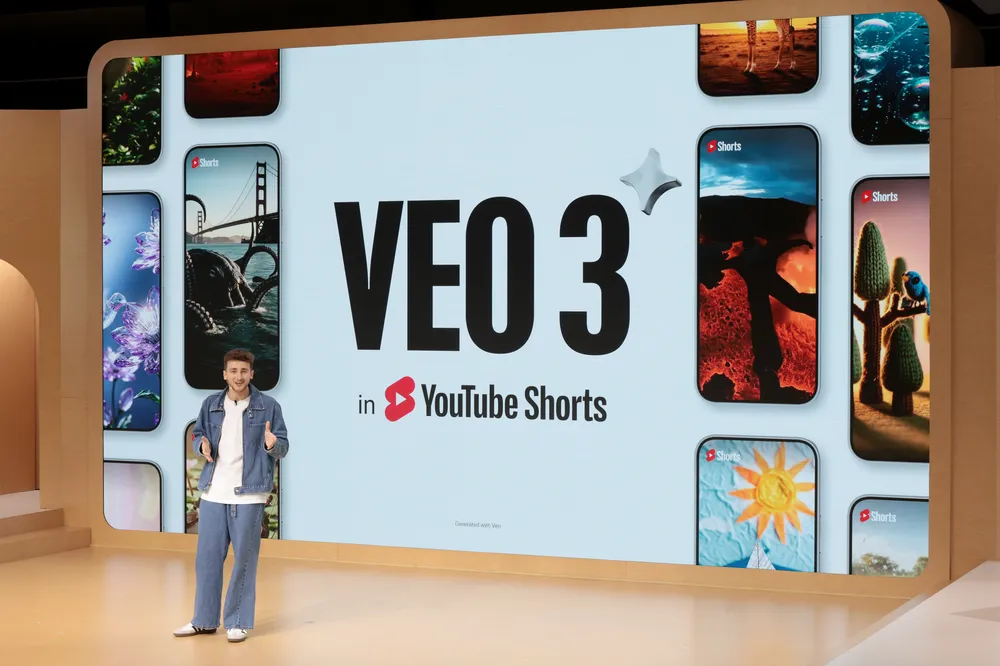
At the heart of the announcement is YouTube’s integration of Google DeepMind’s Veo 3 Fast generative AI model into YouTube Shorts. This powerful tool allows creators to generate video backgrounds, dynamic scenes, and even full video clips with sound, all from simple text prompts.

Unlike previous AI tools with limited trial runs, YouTube is making Veo 3 free and unlimited, at least for now, in select regions including the US, UK, Canada, Australia, and New Zealand. Shorts generated with Veo 3 will be available at 480p resolution to start, with higher resolutions likely in development.
This step essentially lowers the barrier to entry for creators who want professional-looking content without investing in heavy editing software or advanced production skills.
Read More: Google DeepMind’s Veo 2: The AI Video-Generating Tool
AI Motion and Scene Redesign
Veo 3 isn’t just about generating clips—it’s about giving creators new control over how their stories unfold. New features will soon let users apply motion effects, redesign objects, and reshape entire scenes using nothing but text or style prompts. This puts high-end production techniques, previously only available to big studios, into the hands of everyday creators.
Speech-to-Song: A Revolution in Soundtracks
One of the most futuristic features unveiled is speech-to-song, an AI tool that can convert spoken dialogue into a full soundtrack. Imagine saying a phrase and instantly hearing it remixed into a catchy beat for your Shorts video. This could completely change the way creators approach sound design, making music production more playful and accessible than ever.
The tool will start testing with select US creators in the coming weeks before expanding more broadly.
AI Editing Assistance
YouTube has launched an AI editing tool. It makes post-production easier. The system turns raw footage into a first draft. It picks the best clips and syncs them with music. Then it adds transitions. It can even generate voiceovers.
Editors still refine the final cut. But this tool helps beginners create videos fast. It also speeds up work for professionals. They can use it as a solid starting point.
Strengthening Creator Control: Likeness Detection
Beyond creativity, YouTube is also prioritizing safety and identity protection. The platform announced the expansion of its likeness-detection tool within YouTube Studio for all members of the YouTube Partner Program.
Currently, more than 30 million creators use YouTube Studio every month, and YouTube expects widespread adoption of this expanded protection feature.
Read More: Midjourney Launches V1, Its First AI Video Generation Model
What This Means for Creators
YouTube’s announcements signal a shift toward making AI an everyday creative partner for its 30+ million active creators. From helping beginners craft professional-looking Shorts to empowering advanced creators with futuristic editing and music tools, these features are set to expand what’s possible on the platform.
But these changes also raise new questions: Will AI make content creation too easy, flooding YouTube with generic videos? Or will it spark a wave of next-level creativity where the only limit is imagination?
Either way, one thing is clear—YouTube is betting big on AI as the future of video.
FAQs
1. What is Veo 3, and how does it work on YouTube Shorts?
Veo 3 is Google DeepMind’s generative AI model for video. YouTube Shorts allows creators to generate video clips, backgrounds, and effects using simple text prompts—for free.
2. Which countries are getting Veo 3 features first?
Veo 3 is rolling out in the US, UK, Canada, Australia, and New Zealand, with more regions expected later.
3. What is YouTube’s speech-to-song tool?
This experimental feature converts spoken dialogue into AI-generated music or soundtracks, giving Shorts creators a quick way to add custom beats and audio.
4. How does the likeness-detection tool protect creators?
It scans for AI-generated videos misusing a creator’s likeness (face or voice) and lets them report suspicious content directly to YouTube for review.
5. Will YouTube’s AI editing tools replace professional editors?
Not entirely. These tools are designed to provide fast first drafts. While they save time and help beginners, professional editors will still add the nuance and polish needed for high-quality productions.