Hajra Naz
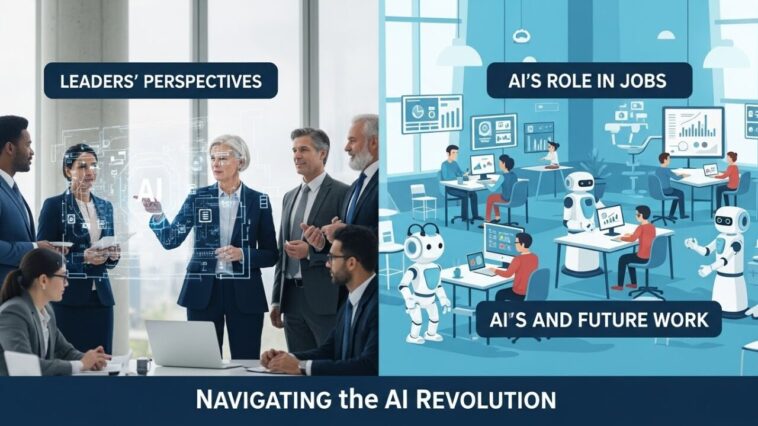
Tech and business leaders disagree on whether AI will replace jobs or create new ones. Anthropic CEO Dario Amodei continues to warn that AI could cause major job losses. Many well-known figures, from Elon Musk to Sam Altman, have shared their views on this debate.
Some leaders believe AI will take over many tasks. Others think it will open new roles and reduce the impact on workers. Amodei predicts AI could cut up to half of entry-level white-collar jobs in the next five years. Elon Musk, however, imagines a future where AI creates a “heaven-like” world.

From Jensen Huang to Jamie Dimon, top leaders are weighing in on how AI will shape the future of work.
Dario Amodei, Anthropic CEO
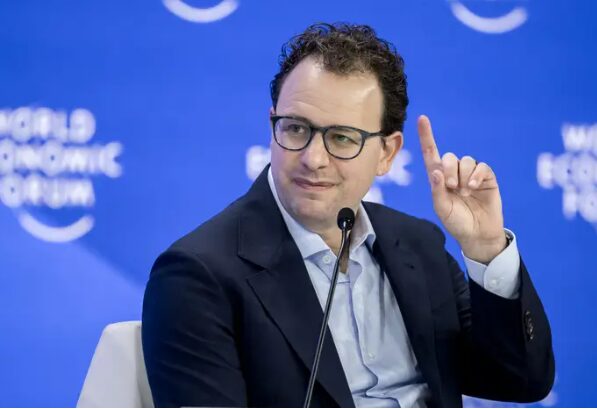
Tech leaders remain split on AI’s impact. Amodei holds one of the sharpest views. He believes AI may cut up to half of white-collar entry roles within five years. He repeated this in May and stood by it despite criticism from across Silicon Valley.
He told Axios that honesty is needed. He said people must know these risks exist. He added that generative AI grows fast. That speed makes timelines hard to predict.
He said the shift may hit sooner. It may hit later. It may take an unexpected turn. He argued the odds are high enough that the public deserves a clear warning.
Amodei also noted a disconnect. Many look at what AI cannot do right now. He looks at where AI is going. He said this gap fuels confusion about workforce disruption and AI automation in 2025.
Read More: An In-Depth Report on 2025 Technology Sector Layoffs
Elon Musk. Tesla and xAI
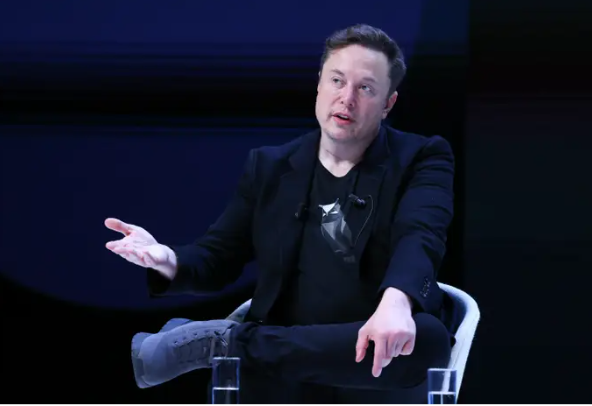
Musk described AI as a “supersonic tsunami” for the labor market. He told Joe Rogan that digital jobs face the highest risk. Desk roles and tasks handled on computers may fall first as models grow stronger.
He said physical work will last longer. Cooking. Farming. Repair work. Jobs in the real world hold more stability for now.
Musk supports AI but warns about disruption. He said society may experience trauma during the shift. He also suggested a brighter version of the future. In one scenario, people enjoy broad wealth and a “universal high income.”
Jensen Huang, Nvidia CEO
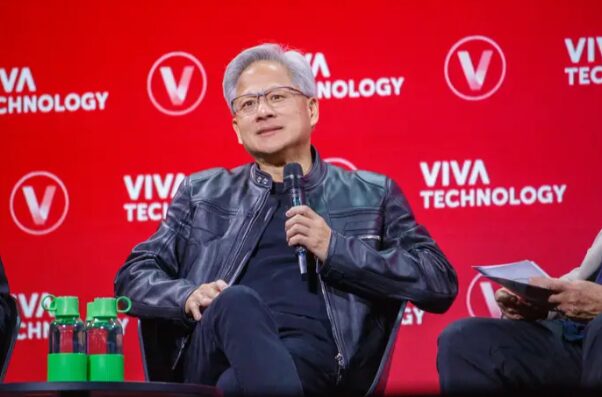
Huang pushed back on Amodei’s prediction. He said he disagrees with most of it. He also rejected the idea that AI itself replaces people. He said workers who adopt AI will replace those who ignore it.
He argued that early adopters will grow faster. Companies that use AI and robotics sooner will win sooner. These firms will hire more people, not fewer.
Huang said job loss will come from people using AI tools better than others. Not from AI taking over by itself. Nvidia continues to sit at the center of AI hardware growth, which shapes the broader future of work.
Jamie Dimon, JPMorgan CEO
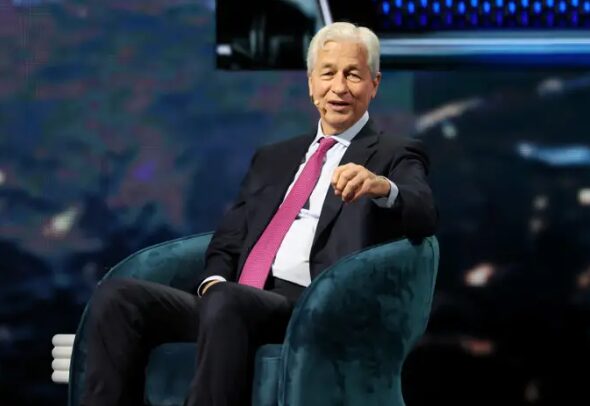
Dimon sees a different future. He expects shorter workweeks in the coming decades. He said people in developed countries may work three and a half days a week. He believes people can still maintain strong lives under this model.
Dimon also warned that society must prepare now. He said job loss is real. He said governments and companies need training systems, income support, and relocation plans.
He urged leaders to face the shift instead of ignoring it. He said people need to stop hiding from the changes that AI brings to the workforce.
Read More: Bill Gates Reveals the Jobs AI Won’t Replace
Sam Altman. OpenAI CEO
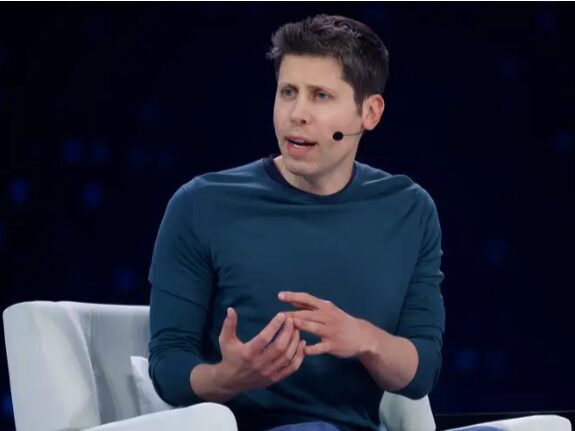
Altman said AI will change many jobs. He said it will remove some roles and create new ones. He shared this in May on “The Circuit” podcast.
He said people know AI is strong in coding and support tasks. He added that society is not ready for humanoid robots. He described a future where several robots walk past you on a street. He said the moment will feel sci-fi and close. He said the shift will feel intense once people see robots replace daily tasks.
At the Snowflake Summit, he said AI agents already behave like junior staff inside workflows. He pointed to fast generative AI adoption and rapid automation trends.
Jim Farley, Ford CEO
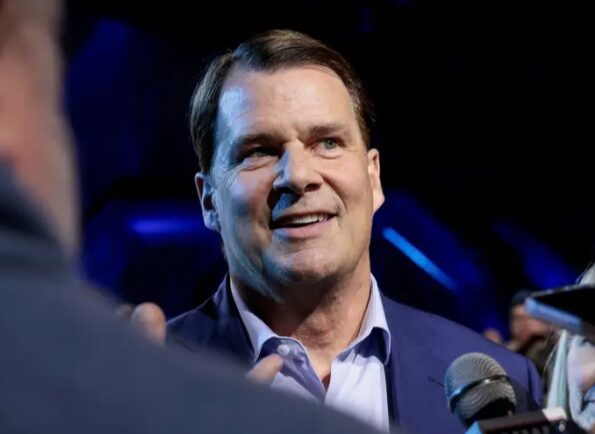
Farley echoed Amodei’s warning. He said AI will replace half of white-collar workers in the US. He said this at the Aspen Ideas Festival.
He said the education system relies too heavily on four-year degrees. He argued that trade skills will gain weight as automation expands. He said the US must rethink training to prepare for wide workforce shifts.
Andy Jassy. Amazon CEO
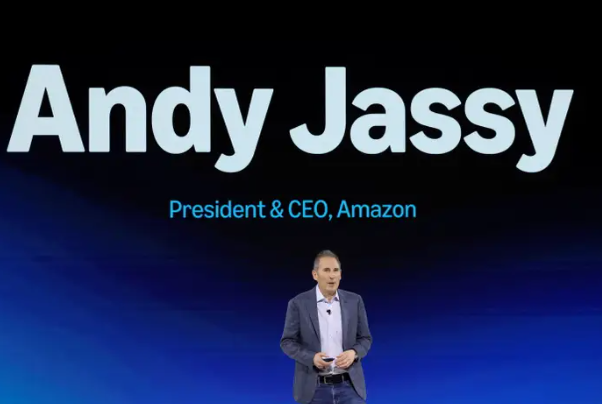
Jassy said AI is already changing internal processes. He said generative AI and agents will shift how teams operate.
In a memo on Amazon’s site, he said the company will need fewer people in some roles. He added that new roles will open as AI scales. He said the change will reorder work patterns across the company.
Yann LeCun, Meta Chief AI Scientist

LeCun backed Jensen Huang over Amodei. He wrote on LinkedIn that he agrees with Huang. He said he disagrees with nearly all of Amodei’s views.
LeCun has long held an upbeat stance on AI and jobs. At Nvidia’s GTC conference, he said AI could replace people but added that humans guide the systems. He said humans will remain the boss of future AI models and superintelligence. He pointed to human oversight and strong technical literacy as key parts of the future of work.
Mustafa Suleyman. Microsoft AI CEO

Suleyman said AI will shake up the labor market. He said the only question is timing. He said it could take 50 years, or it could take 10. He said the trajectory is clear.
He remains positive about super-intelligent AI. He said AI will replace jobs that humans may not wish to keep. He said most people do not dream of repetitive factory tasks. He said people want creative work and personal goals. He shared these thoughts at a Paley Center event and in a later interview with Marina Mogilko.
Demis Hassabis. Google DeepMind CEO
Hassabis said AI will create valuable jobs. He said it will support technically skilled workers and lift their output. He spoke at London Tech Week.
He said humans adapt fast. He advised young people to study STEM. He said strong fundamentals in math, physics, and computer science help people understand how AI systems work. He said technical education still matters in an AI-first era.
Geoffrey Hinton: AI Pioneer
Hinton said people need strong skills to hold AI-proof jobs. He said AI will replace most routine intellectual tasks. He told the “Diary of a CEO” podcast that paralegals face a high risk. He said he would be terrified to work in a call center.
He added that AI may eventually surpass humans in many areas. He said physical tasks remain safer for now. He said plumbing is still a smart path because physical manipulation poses a high challenge for AI systems.
Read More: MIT reports AI now capable of replacing millions of U.S. jobs
Brad Lightcap, OpenAI COO
Lightcap pushed back on extreme predictions. He said there is no evidence that AI will wipe out jobs at the speed some fear. He said this during the “Hard Fork” podcast.
He said every major shift changes work. He pointed to history. Agriculture dropped from 40% of US jobs in 1900 to 2% today. He said tools like Excel reshaped entire fields. He said AI will follow that pattern. He said markets adapt when major technology platforms appear.
Eric Yuan, Zoom CEO
Yuan said AI will transform work schedules. He told The New York Times that three- or four-day workweeks will become normal. He said AI gives people more free time.
He said some jobs will be replaced. He said AI can write code for entry-level engineers. He added that people must still manage the code. He also said digital agents will grow, and workers will manage these agents. He said new forms of oversight will appear as AI expands.
Aravind Srinivas, Perplexity CEO
Srinivas said the truth sits between doom predictions and perfect optimism. He said companies will need fewer people. He said entrepreneurs must create new jobs. He said people who lose roles may launch startups or join teams that build new AI-driven products.
He said a temporary phase of job loss is unavoidable. He said there is no need to soften the message. He said some workers will struggle during this shift. He called it a natural part of the AI workforce transition.