Hassan Khan
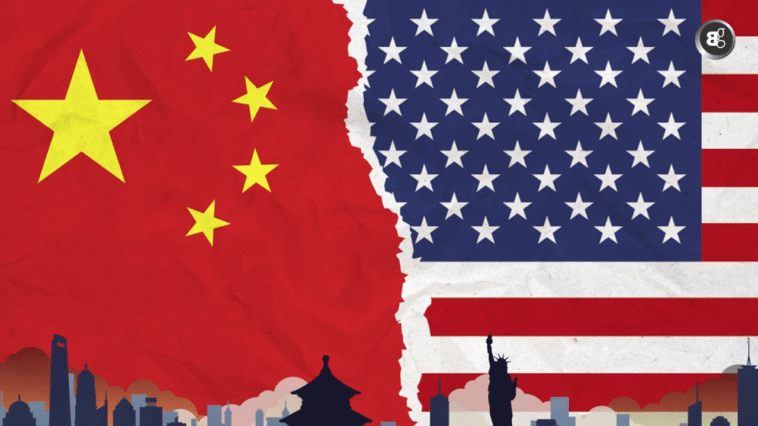
In Stockholm’s quiet summer setting, the United States and China sat down for their first major trade negotiations since Geneva and London. While the talks didn’t end with a signed agreement, both sides described them as “constructive” and signaled a strong interest in keeping the fragile tariff truce alive.
US Treasury Secretary Scott Bessent summed it up in a post on X (formerly Twitter):

“I believe we have the makings of a deal that will benefit both of our great nations.”
The meeting, led by Chinese Vice Premier He Lifeng and senior US officials, focused on extending the 90 day truce that saw tariffs dramatically reduced from 145% to 30% on US goods and from 125% to 10% on Chinese goods. The current truce expires August 12, and a decision on renewal rests with President Donald Trump.
What Was Discussed in Stockholm?
-
Tariff Truce Extension
Both countries are trying to avoid a repeat of the trade war that rattled global markets. A 90-day pause in tariff hikes remains on the table, with final confirmation expected before the August deadline. -
Rare Earth Mineral Exports
China has partially resumed rare earth exports to the US, crucial for electric vehicles and advanced tech. Washington is pushing for clear commitments on quantity and delivery schedules.
See More: U.S.-China tariff extension still uncertain as disputes resurface
-
AI Chip Export Controls
The US eased restrictions on Nvidia’s H20 AI chip exports to China on the condition the chips include tracking features. Beijing, however, raised concerns over possible security risks. -
Market Access & Industrial Capacity
US negotiators want better access for American firms and tighter control on Chinese state subsidies. China, in turn, expressed concern about dual-use export bans and tariff policies. -
Fentanyl-Related Tariffs
The US continues to levy higher tariffs over alleged Chinese links to fentanyl supply chains. Beijing has asked for clarity on what would qualify for a rollback.
See More: Trump Hits 100% Tariff On Computer Chips | Big Win for U.S. Manufacturing
Why It Matters for the World
The US and China are not just the world’s two largest economies they’re the backbone of global trade. Any escalation between them could ripple through markets, raise consumer prices, and slow down growth worldwide.
The International Monetary Fund (IMF) has already warned that renewed tariff wars could drag global GDP growth below 3%. A stable agreement, however, could help restore business confidence and steady supply chains.
What’s Next?
Speculation is building around a possible Trump Xi summit during the APEC meeting in South Korea later this year. If it happens, it could lock in the truce and set the stage for deeper reforms in trade relations.
As Vice Premier He Lifeng put it:
“Cooperation benefits both sides, while confrontation harms both sides.”
For now, the world waits eyes on Washington and Beijing to see if the truce survives beyond August 12.
Conclusion
The Stockholm talks ended without a final deal, but both sides showed progress and a clear intent to keep the tariff truce in place. With the August 12 deadline approaching, there’s cautious optimism that continued dialogue could lead to a breakthrough, preventing a return to damaging trade tensions.