Hajra Naz
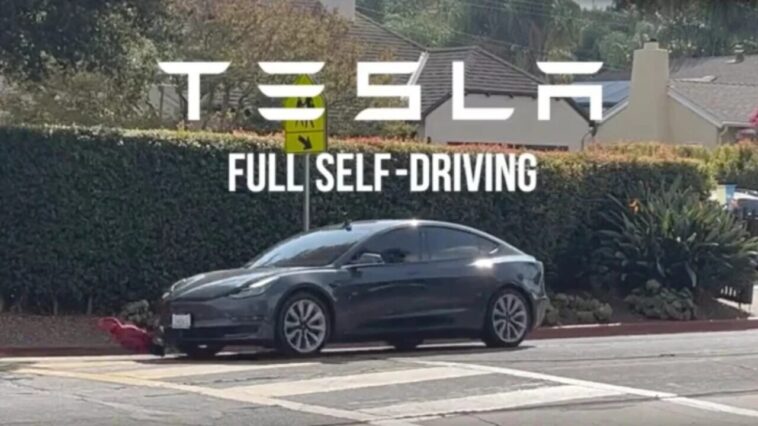
Tesla CEO Elon Musk announced on Wednesday that the company will stop offering Full Self-Driving (FSD) as a one-time purchase. Starting February 14, the only way to access the software will be via a monthly subscription.
This marks a major shift in how Tesla has sold its advanced driver-assistance suite over the years. The decision could affect Tesla’s revenue, Musk’s $1 trillion pay package, and ongoing legal challenges. It also comes as global competitors are rolling out their own advanced driver-assistance systems.

A History of FSD Pricing
Tesla has offered FSD—which still requires human supervision—at varying price points.
-
The upfront price peaked at $15,000 in 2022, then fell to around $8,000.
-
In 2021, Tesla introduced a $199/month subscription, later dropping it to $99/month in 2024.
Musk often encouraged customers to pay upfront, claiming the cost would rise as features expanded. But now, the subscription model will be the only option. Tesla has not confirmed whether subscription prices will change.
Read More: Tesla Full-Self Driving Is Failing Why Is It Still Legal?
Why Tesla May Be Making the Shift
Musk didn’t give a detailed explanation, but several factors could be at play:
-
Low adoption rate – Only 12% of Tesla owners had purchased FSD as of October 2025. A lower-cost subscription may attract more users, particularly during a tough first quarter.
-
Pay package goals – Musk’s $1 trillion pay plan includes reaching 10 million active FSD subscriptions by late 2035. Boosting subscriptions moves him closer to that target.
-
Legal considerations – FSD was marketed under the promise that Tesla cars had all the hardware for full autonomy. In reality, many owners need hardware upgrades. Moving to subscriptions could limit liabilities in ongoing lawsuits.
Legal and Regulatory Background
Tesla faces a variety of legal challenges related to unmet FSD promises:
-
In December, a judge ruled Tesla engaged in deceptive marketing around FSD and Autopilot. The California DMV initially ordered a 30-day suspension of Tesla’s licenses but allowed 60 days to comply.
-
Tesla is also facing class-action lawsuits over claims about future autonomous capabilities.
- By removing the outright purchase option, Tesla could cap potential liabilities in these cases.
Read More: Tesla Proposes Historic $1 Trillion Pay Package for Elon Musk
FSD in a Competitive Market
Tesla’s FSD is still the most advanced driver-assistance system in the U.S., but competitors are catching up:
-
Rivian is expanding its hands-free driving software.
-
Ford and General Motors offer their own hands-free systems.
-
In China, several automakers provide driver-assistance features as standard options.
Despite these competitors, Tesla remains a leader in semi-autonomous technology, though the shift to subscriptions signals a strategic change in both business model and risk management.