
 Hajra Naz
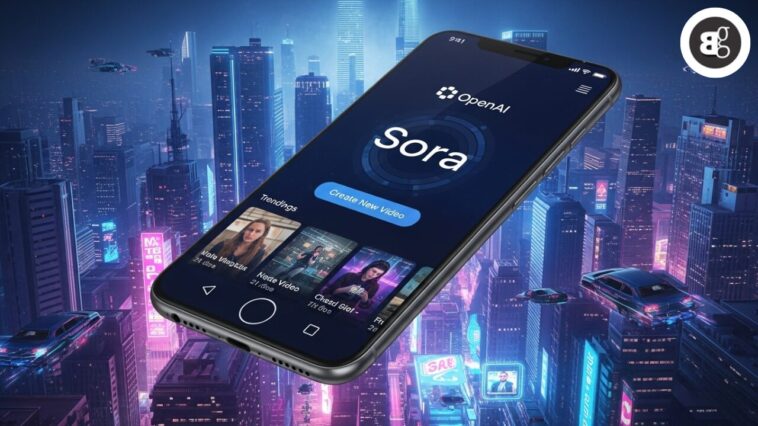
OpenAI has launched its viral AI video generator, Sora on Android. The rollout includes major markets like the U.S., Canada, Japan, South Korea, Taiwan, Thailand, and Vietnam.
Sora was first launched on iOS, where it gained over one million downloads in five days. Now, Android users can join in — using AI to turn text into cinematic short videos. The app lets you generate, remix, and star in short-form clips, putting OpenAI in direct competition with TikTok, YouTube Shorts, and Instagram Reels.

Your AI Video Studio in Your Pocket
Imagine typing, “I walk into a neon-lit Tokyo street at night,” and watching it appear as a video. That’s the magic of Sora, a TikTok-style AI video platform powered by Sora 2, OpenAI’s latest text-to-video model.
Users can upload a short selfie to create a reusable AI cameo avatar. You can drop yourself into AI-generated scenes with friends, pets, or even fictional characters — then share them in your feed.
The latest update also brings longer video durations. Free users can make clips up to 15 seconds, while Pro subscribers get 25 seconds. Sora now supports vertical, square, and landscape formats, making it easier to post across multiple platforms.
To ensure safety, OpenAI has added visible watermarks and hidden provenance signals to every video, preventing misuse and deepfake content.
Read More: OpenAI Introduces Sora, a TikTok Competitor, with Its Latest Sora 2 Model
From Viral App to Creator Ecosystem
Sora quickly topped Apple’s App Store charts, even surpassing ChatGPT in early hype.
However, OpenAI’s primary objective is to establish a user-driven video ecosystem, where anyone can become a creator without needing a studio.
The Android launch marks a major expansion—and a strategic move against short-form video giants. OpenAI plans to introduce creator monetization, allowing avatar owners to charge for cameos and unlock premium tools via subscriptions.
Challenges and Controversies
With massive growth comes scrutiny.
Critics warn that Sora’s realistic AI videos could lead to deepfakes, bias, and copyright disputes.
Fake Sora apps have already appeared on the Google Play Store, raising concerns about security and trust.
The Android version is currently invite-only in several regions, as OpenAI scales its cloud infrastructure for high-quality rendering. Sustaining this demand efficiently will be a major technical and financial challenge.
For creators, the key question remains: Can Sora move beyond viral novelty and become a practical tool for storytelling and video production?
FAQs
1. What is OpenAI’s Sora app?
Sora is a text-to-video AI generator by OpenAI that turns written prompts into short cinematic clips using advanced AI models.
2. Is Sora available for Android users now?
Yes, Sora is available on Android in select countries, including the U.S., Canada, Japan, and South Korea, with more markets coming soon.
3. Can users monetize their AI avatars on Sora?
OpenAI plans to allow avatar owners and creators to charge for cameo appearances and offer premium features through subscriptions.
4. How does OpenAI prevent deepfakes and misuse?
Sora videos include visible watermarks and invisible authenticity signals to detect AI-generated content and reduce misinformation.
5. Is the Sora Android app free?
Yes, there’s a free tier with limited features and a Pro plan that offers longer videos, extra styles, and more customization options.


