Hajra Naz
Meta has just rolled out Instagram Map in Pakistan, giving users a new way to discover location-tagged content while keeping control over privacy. It was available in other countries but not in Pakistan.
Here’s how it works, what’s new, and what you should know.

What Is Instagram Map?
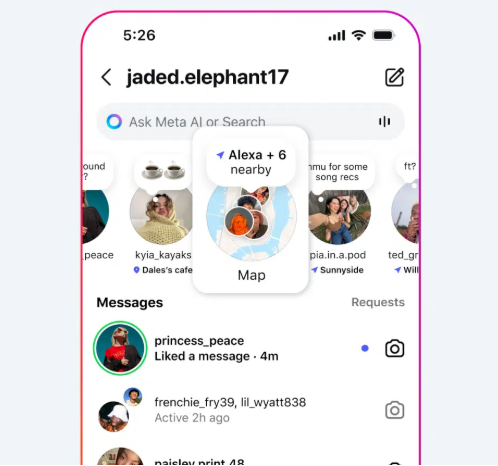
A map lives right above your DM inbox. You can explore posts, reels, stories, and notes that have location tags.
Want to share your own location? You can opt in — choose who sees your “last active” location (friends, close friends, or no one).
How to Access Instagram Map
Here’s how to open and use the new Instagram Map feature:
-
Open your Direct Messages (DMs) page.
-
Tap the new “Map” icon at the top of the screen.
-
If it’s your first time, you’ll see a pop-up explaining that no one can see your location unless you choose to share it.
-
The pop-up also tells you that you can change your location-sharing settings anytime.
Privacy & Safety Built In
- Location sharing is off by default. You must turn it on.
-
A visible indicator on the map tells you whether location sharing is active.
-
When adding location tags, you get reminders.
-
Profile photos no longer show on the map content to reduce risks.
-
Parents can supervise teens — see who the teen is sharing with, view settings, and manage preferences.
Why This Matters (Trends & Impacts)
-
It helps you discover local content—see what’s happening in cafés, concerts, and hangouts nearby.
-
It makes Instagram more interactive and place-based—joining the trend of location-driven social feeds and map-first discovery.
-
It raises privacy and safety conversations—especially about how to balance connection and control.
-
It may influence how other countries get similar features, especially in markets where location tagging is popular.
Read More: Instagram Says It Isn’t Listening Through Your Microphone—AI Handles Data Instead
Things to Watch / Challenges
-
Some people may confuse tagged content (which is okay) with live location sharing (which is more sensitive).
-
If a user accidentally opts in, they might not realize their location is visible.
-
Older users or those unfamiliar with settings might have trouble managing who sees what.
-
The map view requires performance and reliability—a slow or buggy map UI could hurt user adoption.
-
Ensuring that privacy and safety are enforced equally for all (teens and vulnerable users) will matter a lot.
FAQs
1. Is Instagram Map forced on me?
No. Location sharing is off by default. You must actively opt in to share your location.
2. Can everyone see my location if I enable it?
No. You can choose who sees it—friends, close friends, or a custom list. Only those you allow can see your “last active” location.
3. What’s the difference between tagged content and live location?
Tagged content (like stories or posts you tag with a place) can show up on the map. That’s not the same as sharing your real-time location. Live location is only shared if you opt in.
4. How can I turn Instagram location sharing off?
Go into the Map section in your Messages tab → settings → disable location sharing or adjust your audience.
5. Why are some lawmakers upset about this feature?
Some U.S. senators and child-safety advocates say this map could expose minors to risks like stalking. They want stricter controls and even the removal of live-location sharing.