Hassan Khan
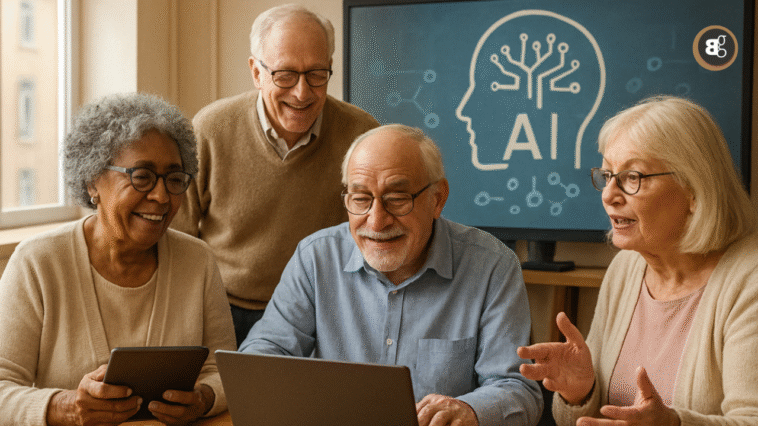
You’ve probably seen it happen a grandfather using Alexa to check the weather, a grandmother asking ChatGPT for a cake recipe, or a retiree setting up a smart home system with more excitement than a teenager with a new phone. In fact My small Sister is using ChatGPT for her Personal Makeup Tips.
For a long time, people assumed AI was “too technical” for older generations. But the truth? Many seniors are not only learning AI but embracing it faster than we expected. They’re not doing it to “keep up” with the younger crowd they’re doing it because it genuinely makes life easier, keeps them connected, and gives them tools they never imagined they’d use.

This shift isn’t just about gadgets it’s about confidence, independence, and staying part of a fast moving world without feeling left behind.
How Older People Respond and Adopt AI
A Gentle Shift into the AI Era
If you’ve ever watched your mom ask Siri for a recipe or your grandfather use ChatGPT to craft a birthday poem, you’ve seen it older generations are stepping into the AI world with a curiosity that might surprise you.
It’s not always about keeping up with technology for them it’s often about staying connected, learning new things, and making life a little easier.
Why Older People Are Adopting AI
1. Staying Connected with Family
For many seniors, AI tools like voice assistants, chatbots, and smart home devices help them stay in touch with children and grandchildren. They use AI to send messages, make video calls, or even translate languages when talking to relatives abroad.
Read More: 3 Things No One Told Us About Creating an AI Agent
2. Overcoming Physical Barriers
AI powered voice commands, health monitoring apps, and automated reminders help older adults with mobility or memory challenges live more independently. For instance, a smart speaker can remind them to take medicine or turn off the lights without having to get up.
3. Lifelong Learning Made Simple
The internet can be overwhelming, but AI makes it easier. From YouTube’s AI generated recommendations to ChatGPT answering history questions, older adults can explore hobbies and knowledge at their own pace.
Challenges They Face While Adopting AI
1. Trust Issues
Older people grew up in a world without algorithms, so trusting AI with personal data can be a big leap. Some are skeptical and rightly so about privacy and security.
2. Steep Learning Curve
While many AI tools are designed to be “easy,” they can still feel complicated for those who didn’t grow up with computers. Buttons, updates, and confusing menus can discourage them.
3. Cost Concerns
Not all seniors have the budget for premium AI tools or the latest smart devices. Affordability remains a key factor in adoption.
How They’re Making AI Part of Daily Life
-
Voice Assistants like Alexa and Google Assistant for reminders, music, and news.
-
AI Health Apps for tracking steps, heart rate, and diet.
-
Smart Home Gadgets to control lights, locks, and appliances.
-
ChatGPT & Similar AI for help with writing, translations, or answering questions.
-
Online AI Courses to learn skills like photography, cooking, or even coding.
See More: AI in 2035: How Artificial Intelligence Will Reshape Human Identity
The Emotional Side of AI Adoption
For many older adults, using AI isn’t just about technology it’s about dignity. It helps them stay independent, maintain mental sharpness, and remain part of fast changing conversations.
When they see AI as a helpful companion rather than a replacement for human interaction, adoption becomes natural.
Example: Mr. Imran from Lahore used an AI app to learn Italian and soon booked a trip to Rome to practice.
Tips to Help Older People Embrace AI
-
Start Small Introduce one simple AI tool at a time.
-
Be Patient Answer questions without rushing.
-
Give Real Life Use Cases Show them how AI can help with daily needs.
-
Encourage Experimentation Let them explore without fear of “breaking” something.
Example: My Cousin’s Friend in Karachi spent weekends teaching his grandmother how to use AI powered recipe finders. Now she sends him photos of the dishes she cooks.
Conclusion: Respond and Adopt AI
Older people are proving that it’s never too late to learn new skills especially when those skills can improve quality of life. With the right support, AI can become a trusted friend, not a strange piece of technology. And if you ever catch your grandparent using AI to beat you at online chess don’t say I didn’t warn you.
FAQ’s
1. Why are older adults starting to use AI now more than before
Because AI tools have become more user friendly, affordable, and voice based, older adults find them less intimidating. Many see AI as a way to stay connected and manage daily tasks.
2. What are the easiest AI tools for seniors to start with?
Voice assistants like Alexa, Google Assistant, and Siri are great starting points. They’re simple to use and can help with reminders, calls, and entertainment.
3. How can we help older people feel more comfortable with AI?
Start small, focus on practical uses, and be patient. Hands-on learning with real-life examples builds confidence quickly.