Hajra Naz
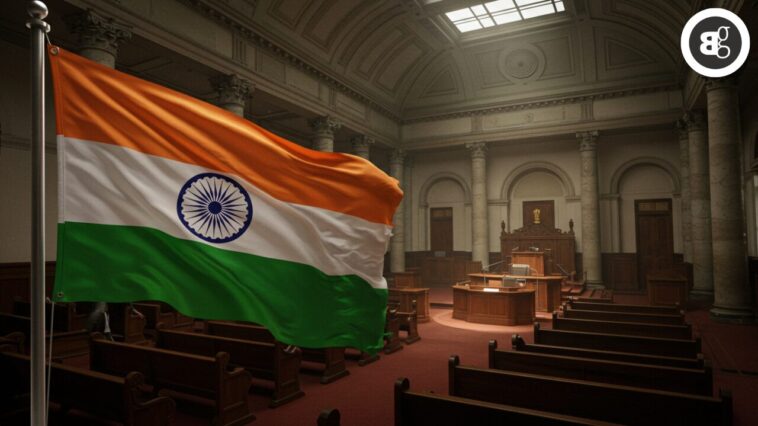
An Indian court has rejected a petition from Elon Musk’s platform X, formerly Twitter. The case challenged the Indian government’s content takedown orders. The ruling shows India’s tough stance on Big Tech. It also marks a key moment in the country’s debate over online speech, censorship, and tech accountability.
Court Rules: Foreign Companies Cannot Claim Free Speech Rights
Senior Judge M. Nagaprasanna, who delivered the judgment, stated:
“Article 19 of the Constitution of India, noble in its spirit and luminous in its promise, remains, nevertheless, a Charter of Rights conferred upon citizens only. The petitioner who seeks sanctuary under its canopy must be a citizen of the nation, failing which the protective embrace of Article 19 cannot be invoked.”
The ruling was livestreamed, marking transparency in one of India’s most high-profile tech-law disputes in recent years.
Read More: U.S. and Indian VCs Launch $1B+ Fund for Deep Tech Startups
X’s Challenge Against the Sahyog Portal
X filed the case in March 2024. The company challenged government orders to block posts and accounts critical of official policies. At the heart of the dispute was Sahyog. The portal was launched in October 2023. It allows authorities to send takedown requests directly to social media platforms.
While the government framed Sahyog as a tool for streamlined enforcement against unlawful content, X described it as a “censorship portal” lacking transparency and due process safeguards. The platform argued that the system bypassed structured protections under Section 69A of the Information Technology Act, 2000, India’s primary content regulation law.
India’s Expanding Control Over Digital Platforms
The ruling arrives as India ramps up pressure on global tech companies. In recent years, content takedown orders have sharply increased. This was most visible during the farmers’ protests of 2020–2021. At that time, the government moved to curb dissent on social media.
Major platforms, including Meta, Google, Microsoft, LinkedIn, and ShareChat, now utilize the Sahyog portal. They comply with takedown orders through this system. Refusing to follow orders can result in heavy fines. It can also lead to criminal charges or even jail time for executives.
In February 2024, X admitted it withheld several accounts. The company said it disagreed with the government’s reasoning. Still, it complied because ignoring the orders carried “significant risks.”
Broader Implications for Elon Musk in India
The decision also comes at a delicate time for Elon Musk, who has been aggressively expanding his footprint in India:
-
Tesla recently launched operations in the country.
-
Starlink secured final regulatory approval to provide satellite internet.
-
India, with its second-largest internet user base after China, is a critical market for Musk’s ventures.
Yet, the court’s dismissal of X’s free speech arguments underlines the limits of Musk’s “free speech absolutist” philosophy when it collides with national sovereignty and local laws.
Expert Reactions and Policy Concerns
Kazim Rizvi, founding director of The Dialogue, a New Delhi-based think tank, welcomed the ruling but warned that “due diligence” must not become blind compliance.
Rizvi said.
“The portal should operate strictly as a coordination and intake system. Any binding action must still originate from a competent authority under the IT Act.”
Another unnamed legal expert added that Indian courts are increasingly viewing tech regulation through a policy-first lens, rather than sticking strictly to legal arguments.
What’s Next for X?
X still has the option to appeal before the Supreme Court of India, but analysts believe the outcome may not change significantly. The apex court is expected to uphold the interpretation that foreign entities cannot claim constitutional rights under Indian law.
Elon Musk has not personally commented on the ruling. However, in a past interview with the BBC, he admitted:
“The rules in India for what can appear on social media are quite strict, and we can’t go beyond the laws of a country.”
The court will release a detailed copy of its order on Thursday.
Read More: OpenAI Opens New Delhi Office to Drive AI Expansion in India
FAQs
1. Why did the Karnataka High Court reject X’s petition?
The court said Article 19 applies only to Indian citizens, not foreign firms.
2. What is the Sahyog portal?
It is a government platform launched in 2023 for direct takedown orders. Critics say it lacks transparency.
3. Can X appeal this ruling?
Yes. X can appeal to the Supreme Court, but experts expect a similar outcome.
4. How does this affect Elon Musk’s business in India?
It impacts X and may also bring regulatory hurdles for Tesla and Starlink.
5. What does this mean for social media users in India?
Users may face stricter content controls, especially on sensitive issues.