
 Hassan Khan
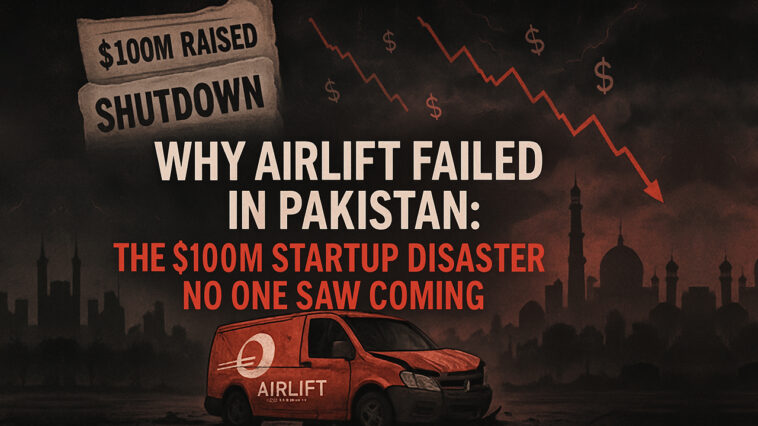
Remember! when Airlift was all over social media? From offering rides in vans to delivering groceries in minutes they made it look like Pakistan was finally ready to play in the big tech leagues. They raised over $85 million, got international investors on board, and even challenged the likes of Foodpanda and Careem.
But then they shut down. Just like that.

And if you’re wondering “Why Airlift failed in Pakistan?”, you’re not alone. It shook the startup scene and left many questioning the sustainability of tech ventures here.
Why Did Airlift Fail?
Airlift failed in Pakistan due to a mix of over progressive planning, unsustainable business operations, and a weak understanding of the local market. Here’s what really went wrong:
-
Burn Rate Was Too High: They were spending way more money than they were making offering free deliveries, giving discounts, hiring a large workforce, and building warehouses. It all added up fast.
-
Business Model Wasn’t Sustainable: Delivering groceries in 10 to 30 minutes sounds amazing, but in reality, it’s very expensive to manage that kind of speed especially in Pakistan where logistics, fuel costs, and inflation are major hurdles.
-
No Real Profit Strategy: Their main focus was on growth, not profit. That works in some markets but not in Pakistan, especially during economic downturns.
-
Failed Funding Round: In 2022, Airlift failed to close its Series C funding (which was around $100 million) and without that money, they couldn’t keep running.
Read More: Top Startups in Pakistan Driving Innovation in 2025
How Much Budget Did Airlift Consume?
According to official reports and interviews, here’s a rough idea of what they spent:
-
Total Funds Raised: Around $110 million USD
(This includes their $85 million Series B round led by major investors like First Round Capital and Quiet Capital.) -
Monthly Burn Rate: Estimated between $4 million to $5 million per month in their peak quick-commerce phase.
-
Where the Money Went:
-
Setting up micro-fulfillment centers (warehouses)
-
Hiring hundreds of delivery riders
-
Operating across 8+ cities in Pakistan
-
Running expensive marketing and app development campaigns
-
Offering heavily subsidized deliveries (many free)
-
1. Over Ambition with Zero Profit Plan
Airlift started with a transport solution which had potential. But then they suddenly jumped into ultra fast grocery delivery, a high cost, low margin business model. It looked flashy, sure, but wasn’t financially sound.
The goal? Deliver within 30 minutes. Sounds cool, right?
But the reality? Every quick delivery meant burning cash from riders’ salaries to fleet fuel and warehouse costs. The company was bleeding money with every order. It was like pouring water into a bucket full of holes.
See More:
They were trying to grow before becoming sustainable, which is a red flag in any business. Ambition is great. But if your product isn’t profitable, scaling it will only multiply the losses.
Lesson: Before scaling, ask yourself: “Is my business actually making money?”
2. Funding Burnout: When Money Isn’t the Answer
Yes, Airlift raised millions in funding one of the biggest in South Asia at the time.
But here’s the problem: funding can’t save a broken business model.
They spent millions trying to capture the market instead of building customer loyalty and profitability. Discounts, offers, free deliveries sure, they brought users in. But they weren’t paying users. And when the cash ran out, there was nothing left to fall back on.
When their Series C funding fell through, Airlift had no Plan B.
Lesson: Build a business that can survive even without external funding.
3. Market Reality Was Ignored
Pakistan’s economy isn’t built for ultra premium services yet.
Most people don’t have access to credit cards, and digital payments aren’t fully mainstream. Add to that fuel costs, inflation, and an unstable political climate and you have a market that’s not ready for services like “10 minute grocery delivery.”
Airlift ignored these ground realities. They tried to copy Silicon Valley in a place where basic infrastructure is still catching up.
Lesson: Understand your market deeply. One size fits all doesn’t work in emerging economies.
4. Leadership Gaps and Fast Scaling Mistakes
Airlift grew its team at lightning speed. But more people is not equal to more productivity.
Without a strong, experienced leadership team, scaling becomes chaotic. Reports suggest there was confusion in operations, lack of clear direction, and burnout across departments.
Rapid growth without a solid team culture often leads to internal collapse and that’s exactly what happened.
Lesson: Build a strong, experienced, adaptable team before you scale.
5. No Real Customer Loyalty
Most users used Airlift because it was cheap. Once the promotions ended, they disappeared.
Why? Because the value was not greater than the cost.
There was no emotional connection with the brand, no loyalty program, and no reason for customers to stick around when things got tough.
In today’s market, loyalty is everything. People don’t just buy products; they buy trust and experience.
Lesson: Focus on delivering value, not just discounts. Build real relationships with your customers.
Conclusion: Airlift’s Fall Is a Wake Up Call to Other Startups
Airlift’s story is more than just another startup shutdown. It’s a powerful lesson for every dreamer, founder, and freelancer in Pakistan and beyond.
Yes, it had the funding. Yes, it had the hype. But it lacked the roots a sustainable model, real market understanding, and customer loyalty.
If you’re building something today whether it’s a tech product, blog, or YouTube channel remember: growth comes after stability. Don’t just chase shiny things like funding or trending models. Build a business that can breathe on its own, even when the world turns upside down.
Airlift’s fall inspire you to build smarter, slower, but stronger.
What do you think about Airlift’s downfall?
Leave a comment, share this post with your Friends
FAQs: Why Airlift fail in Pakistan?
Why did Airlift fail in Pakistan?
Airlift failed due to a mix of unrealistic goals, unsustainable business models, heavy cash burn, and ignoring the economic realities of Pakistan. Despite massive funding, it couldn’t retain loyal paying users.
Was Airlift’s idea bad?
No, the idea wasn’t bad. But the execution was flawed. Transport and quick commerce both have potential in Pakistan, but they need localized, sustainable approaches not Silicon Valley clones.
What can startups learn from Airlift’s failure?
Startups should focus on sustainability before scaling, understand their local market deeply, and avoid relying solely on external funding. A strong team, real customer value, and cash flow matter more than hype.


