Hajra Naz
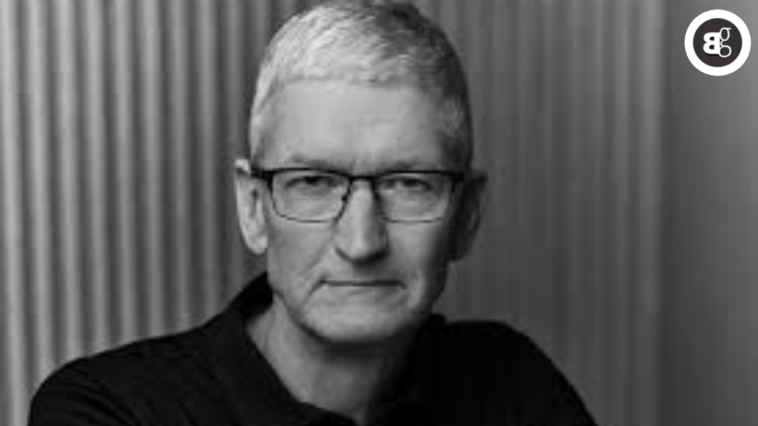
Apple is intensifying succession planning, The Financial Times reports.
The company’s board and top executives are preparing for the possibility that Tim Cook may step down as CEO as early as next year. This could follow Apple’s earnings report in late January. A leadership transition, then, would give the new CEO time to settle in before major events like the Worldwide Developers Conference (WWDC) in June.

Cook, 65, has led Apple since Steve Jobs resigned in 2011. He has now been CEO longer than Jobs. Under his leadership, Apple’s market value rose from $350 billion to $4 trillion. Despite this growth, the company has faced challenges in finding a strong direction in AI and emerging technologies.
Read More: Apple CEO Tim Cook shows the world why you should not put all eggs in one basket
No final decision has been made about Cook’s successor or the timing of his departure. However, Apple’s senior vice president of hardware engineering, John Ternus, is reportedly the leading candidate to become the next CEO.
Apple’s succession planning signals a focus on continuity, leadership stability, and maintaining innovation in areas like AI, AR/VR, and hardware development. The next CEO will inherit a company with a massive global footprint, high-tech R&D, and a market-leading ecosystem of products and services.
FAQs
Why is Apple planning a succession now?
Apple is preparing for a smooth leadership transition and potential CEO departure to maintain stability and innovation.
Who is the frontrunner to replace Tim Cook?
John Ternus, Apple’s senior VP of hardware engineering, is widely reported as the leading candidate.
When could Tim Cook step down?
Reports suggest Cook could step down as early as 2026, likely after the January earnings report.
What challenges has Apple faced under Cook’s leadership?
Apple has struggled with AI strategy and maintaining growth momentum in new tech sectors, despite massive overall success.
How will this affect Apple’s future products?
A new CEO may influence Apple’s focus on AI, AR/VR, hardware innovation, and global expansion, while keeping core products strong.