Hassan Khan

How to Adapt SEO for AI-Powered Search
If you’ve noticed how often people are asking ChatGPT or Perplexity instead of “Googling it,” you’ve already seen the future of search taking shape. The way people find information online is changing fast.
For years, traditional SEO has revolved around keywords, backlinks, and rankings on Google. But with AI tools answering questions directly, content is now being read, understood, and summarized by large language models (LLMs) like ChatGPT, Gemini, and Claude.

This doesn’t mean SEO is dead. It means we need to adapt to what’s being called LLMO (Large Language Model Optimization). Let’s explore what that really means and how you can evolve your strategy for AI-powered search engines.
No 1. Understand the Difference Between SEO and LLMO
Traditional SEO focuses on ranking web pages for specific keywords so users click and visit your site. But AI-powered systems like ChatGPT and Perplexity work differently they read your content and pull useful chunks to answer users directly.
Think of it this way:
-
SEO = Ranking whole pages for Google search results.
-
LLMO = Optimizing passages so AI tools quote or summarize your content.
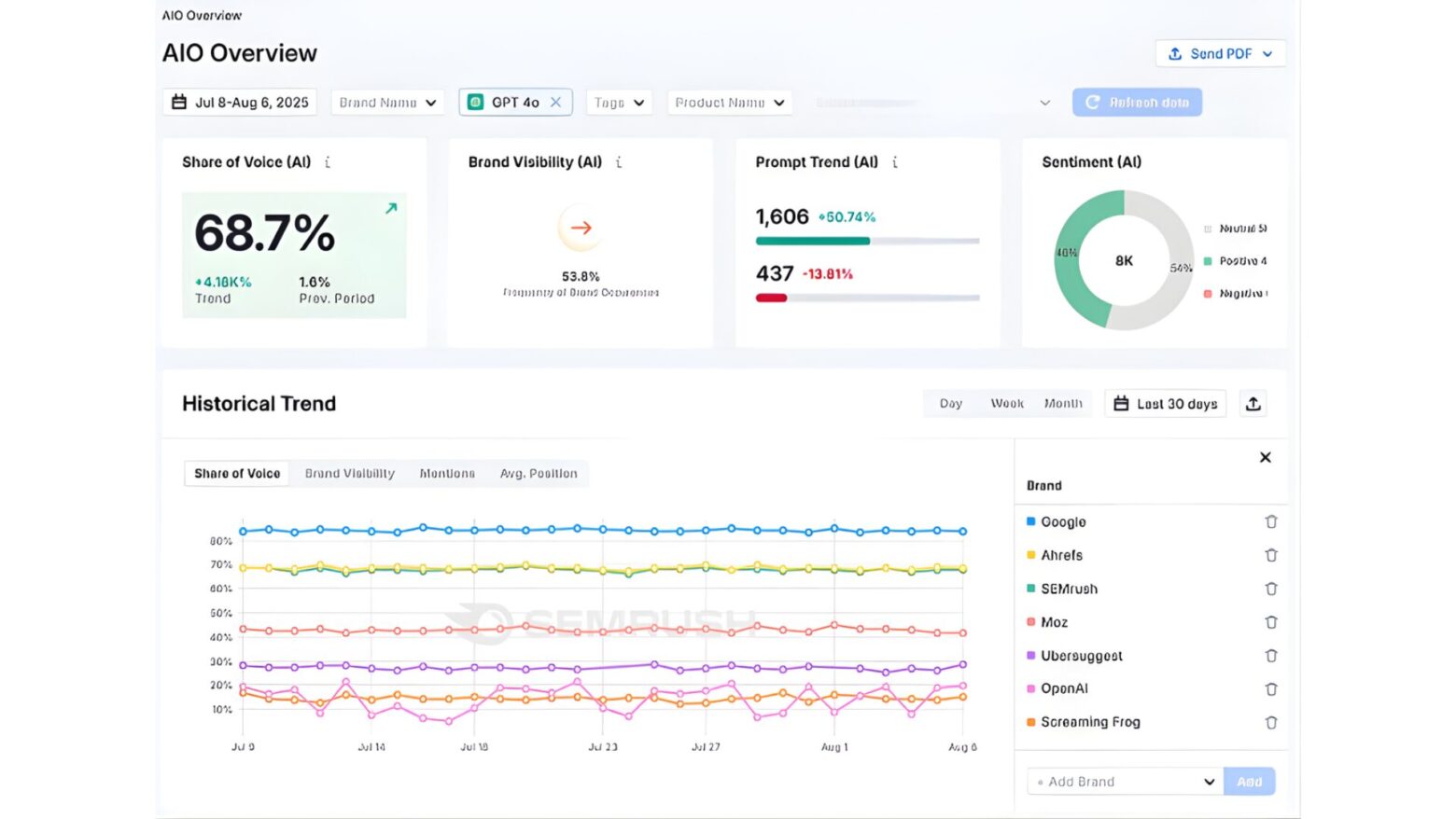
For example, if you’ve written a guide on “Best CRM tools,” AI might only cite the paragraph that compares HubSpot and Salesforce not the whole article. That’s why structuring your content with clarity and precision has become more important than ever.
Read More: How AI Is Challenging the Credibility of Online Courses Today
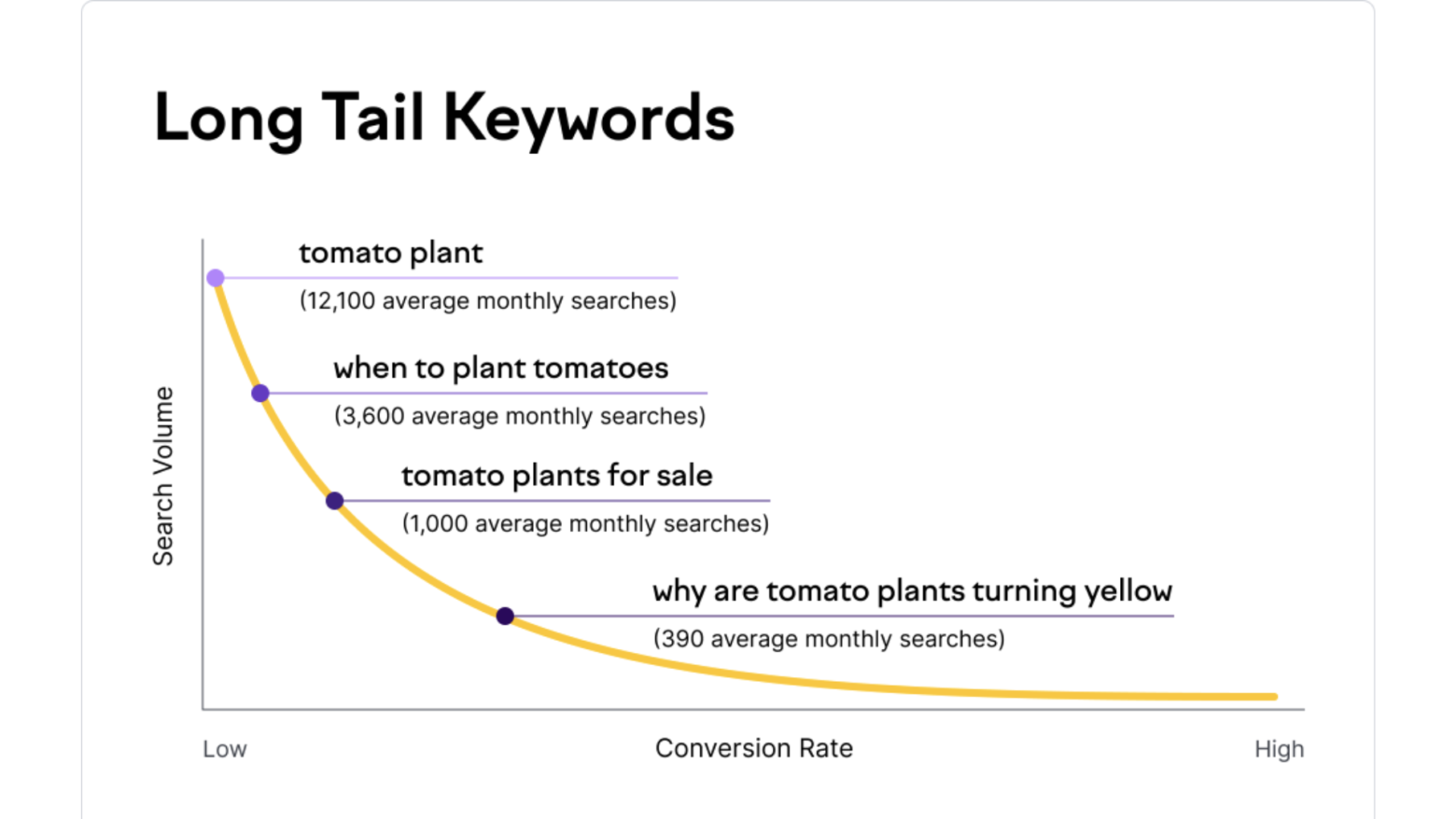
No 2. Write for Conversational, Long-Tail Queries
Gone are the days of short keyword phrases like “Best laptops 2025.” AI-driven queries now sound more like,
“Which laptop is best for video editing under $1,000?”
These natural, conversational searches require a shift in how we write. Instead of chasing volume keywords, create content that answers specific, human questions.
For example:
“How do I choose project management software for remote teams?”
“Which social media tools work best for small businesses?”
This approach not only helps you appear in AI-generated answers but also builds genuine trust with your readers.
Expert advice: Tools like Semrush or AlsoAsked can help identify conversational keywords people are actually using in AI chat platforms.
No 3. Focus on Content Clarity and Structure
AI tools look for clean, easy to understand sections of text. If your content is cluttered or filled with fluff, it’s harder for AI to pull out relevant insights.
Here’s how to structure for LLMs:
-
Use clear headings (H2, H3, H4) that describe exactly what the section covers.
-
Start each section with a direct answer or summary sentence.
-
Keep paragraphs short 2 to 3 sentences max.
-
Use bullet points and tables to simplify comparisons or data.
Example:
If you’re comparing marketing automation tools, add a simple table that lists features and pricing. AI systems love pulling structured data like this.
See More: Google AI Mode Can Now Handle Your Plans – New Update Out
No 4. Offer Balanced and In-Depth Answers
AI systems don’t want sales pitches they want balanced, helpful, and detailed information.
If you’re reviewing a product, don’t just list benefits. Mention potential drawbacks and alternatives, too. This balanced tone signals to AI that your content is trustworthy and informative.
Example:
Instead of saying,
“Tool X is the best CRM for everyone!”
Try:
“Tool X is great for small teams on a budget, but larger companies might find its automation features limited.”
This type of honesty not only builds credibility with readers but also increases the chances of AI quoting your content.
No 5. Use Real Experience and Original Research
LLMs love content that brings something new to the web data, insights, or real human experience.
If you’ve conducted a small survey, case study, or product test, that’s gold for LLMO. AI tools prefer citing unique, evidence-based content over generic summaries.
For example, if your company ran a survey of 500 marketers showing that “78% now use AI for keyword research,” that’s a quotable stat that AI might use directly in its response.
Add value with:
-
Case studies
-
Original data or surveys
-
Step-by-step walkthroughs based on real experience
Even personal stories like how a certain strategy helped you grow traffic or save time can set your content apart from AI-generated fluff.
No 6. Strengthen Your Technical SEO Foundation
While AI changes how content is read, your site still needs to be technically solid. Fast, accessible, and structured websites get more visibility both by crawlers and AI systems.
Here’s what to focus on:
-
Page speed: Aim for under 3 seconds load time.
-
Mobile optimization: Most AI-integrated browsers (like Bing Chat) prefer mobile-friendly layouts.
-
Schema markup: Add structured data like FAQ, Product, and Review schema. It helps AI understand your page better.
-
Avoid JavaScript-heavy pages: Some AI crawlers struggle with dynamic content.
Advice: Consider adding an llms.txt file (a new experimental protocol) that gives AI systems guidance on how to read and cite your content.
No 7. Build Brand and Entity Authority
Backlinks used to be the strongest signal in SEO. In AI-driven search, brand mentions and reputation carry more weight.
LLMs consider how often your brand is mentioned, how people talk about it, and whether those mentions are positive or negative.
You can boost your brand signals by:
-
Getting featured in credible publications
-
Participating in Reddit or Quora discussions
-
Encouraging customer reviews
-
Engaging authentically on LinkedIn and X (Twitter)
For instance, if your brand consistently appears in discussions about “best content marketing tools” on social media or forums, AI tools start associating your name with authority in that niche.
No 8. Track AI Visibility Not Just Google Rankings
Traditional metrics like traffic and impressions are no longer enough. You need to know how often AI systems are referencing your content.
Platforms like Semrush Enterprise AIO now track brand mentions and citations across ChatGPT, Perplexity, Gemini, and Claude. They show sentiment analysis meaning how AI perceives your brand and which topics it connects you with.
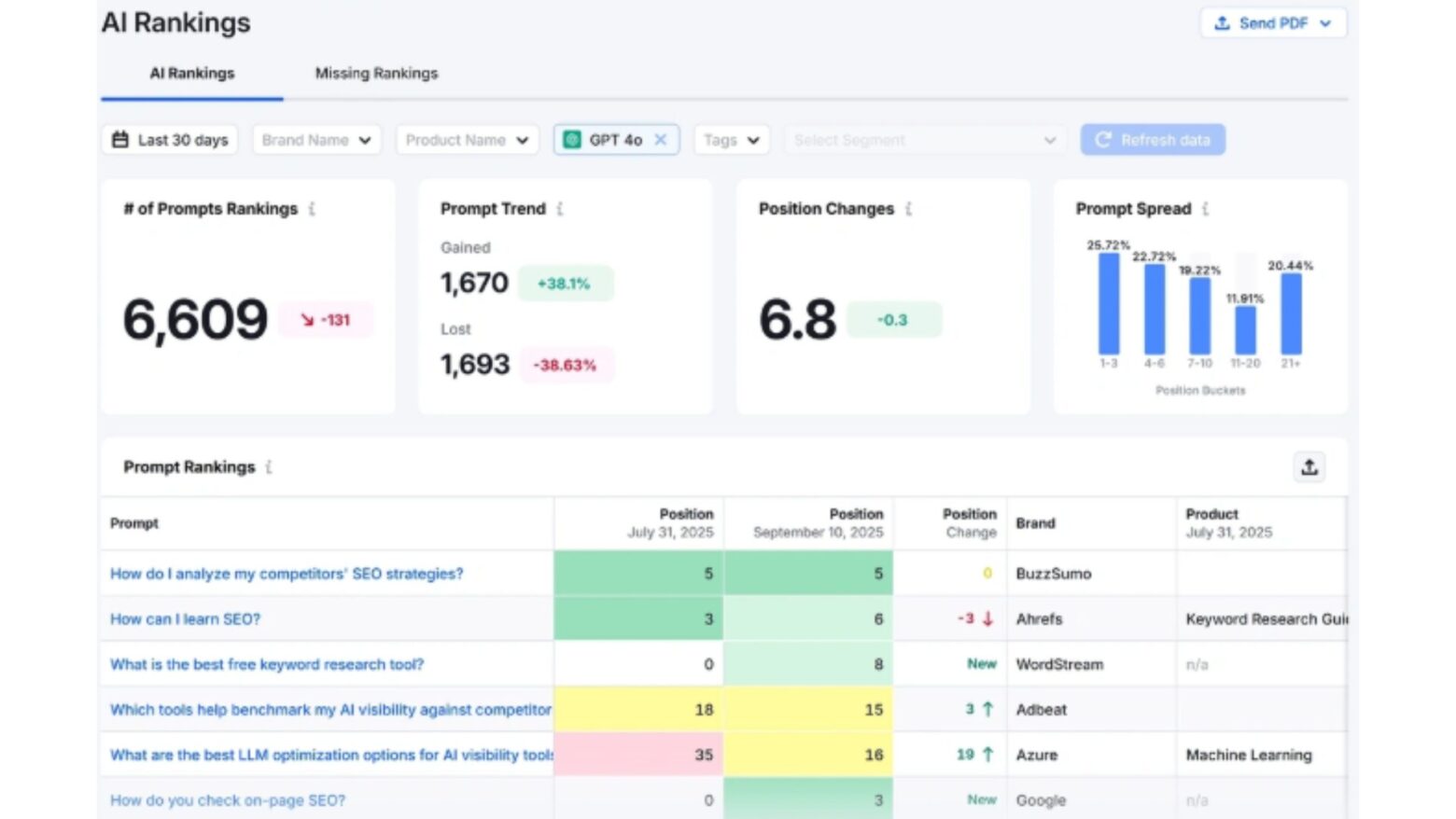
Even if your current “AI traffic” seems small, tracking it now will prepare you for the inevitable shift. Remember, in 2024 alone, AI search traffic grew by over 250% globally, according to Similarweb data. That number will only rise.
Conclusion: Adapt or Be Left Behind
The rise of AI-powered search marks one of the biggest shifts in digital marketing history. You can’t rely solely on Google rankings anymore your content must also speak the language of AI-driven discovery.
The good news? If you’re already creating helpful, human-centered, well-researched content, you’re halfway there. Just refine your structure, expand your reach, and embrace the future of LLMO.
Because in this new era of search, the brands that win will be the ones that teach AI what to say about them.
FAQs:
No 1. What is LLMO?
LLMO (Large Language Model Optimization) optimizes content for AI tools like ChatGPT, focusing on passages rather than whole pages.
No 2. How do I make content AI-friendly?
Use clear headings, short paragraphs, conversational queries, thorough answers, and original research.
No 3. Do I still need SEO?
Yes. LLMO complements traditional SEO; combining both boosts visibility on search engines and AI platforms.