Hajra Naz
Can you believe how fast technology is moving? It feels like just yesterday we were amazed by smartphones, and now we’re talking about AI agents, quantum breakthroughs, and solving global energy challenges. The pace is thrilling, but it can also feel overwhelming.
That’s why I want to make this simple for you. In this post, we’ll dive into five big technology trends in 2026 that will shape how we work, live, and connect. These aren’t just buzzwords you see in tech blogs. They’re real shifts that will affect businesses, careers, and everyday life.

Think of this as sitting down with a friend who geeks out on tech but explains it in plain language. You’ll see where AI is headed (spoiler: it’s not just reacting anymore), how quantum computing will finally become useful, why the energy crisis is a tech problem, and why people — yes, real humans — still matter more than ever.
By the end, you’ll not only understand these technology trends of 2026 but also feel ready to embrace them with excitement instead of fear.
Read More: Top Emerging Technology Trends in GCC Countries in 2025
1. AI Disruption: From Reaction To Reinvention
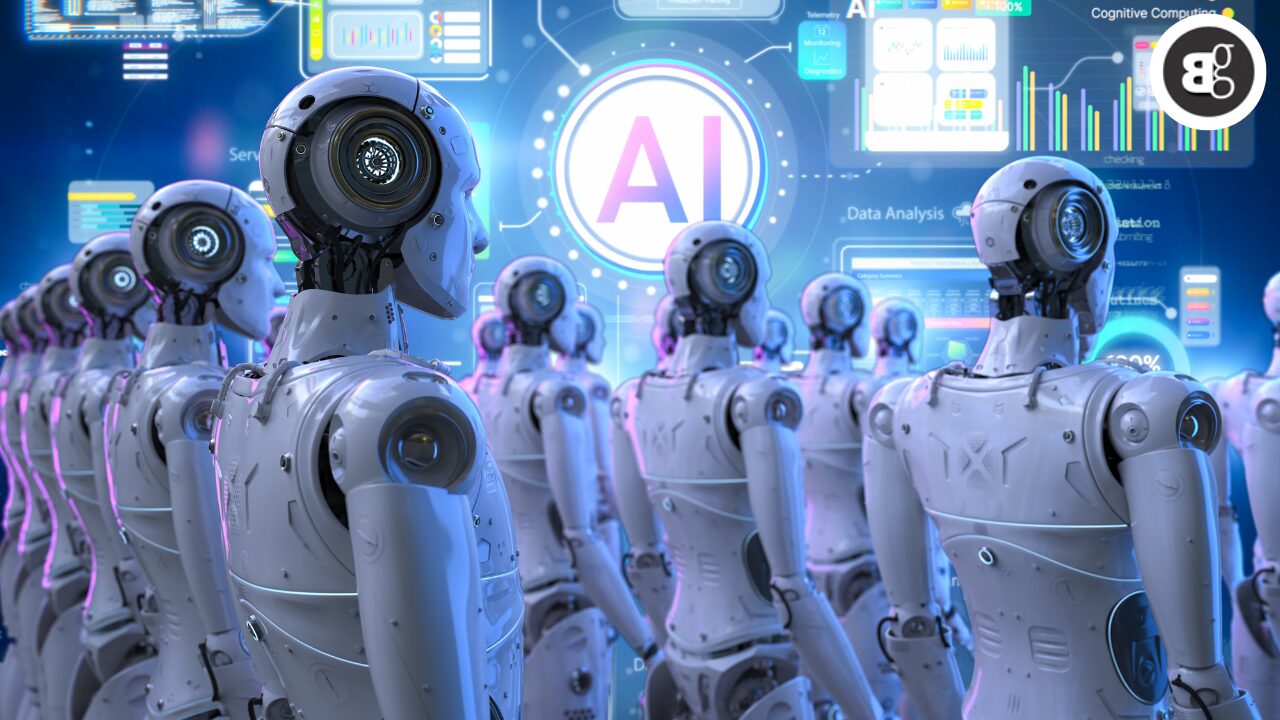
Artificial Intelligence has been the star of tech headlines for years, but 2026 is different. Until now, most AI has been reactive — answering prompts, making recommendations, or predicting outcomes. But in 2026, AI is stepping into reinvention mode.
What does that mean? Instead of just responding, AI systems will create entirely new ways of working. For example, businesses won’t just ask AI to analyze data. AI will redesign workflows, rethink strategies, and invent solutions that humans may not have considered. Imagine an AI that doesn’t just help you market a product; it builds a whole new customer experience from scratch.
This shift also means careers and industries will adapt fast. If you’re a professional, learning how to work with AI, not against it, is key. Think of AI less like a tool and more like a co-creator. Those who embrace this mindset will thrive.
Simply put: AI disruption in 2026 isn’t about fear. It’s about reinvention — and being ready to grow alongside it.
2. The Agentic Revolution
In 2026, we’ll see the rise of agentic AI — intelligent agents that don’t just follow commands but act independently to complete goals. These “AI agents” can plan, negotiate, and even collaborate with other agents or humans to get things done.
Picture this: you’re running a small business. Instead of juggling emails, invoices, and scheduling, you set an AI agent to handle it. It communicates with suppliers, negotiates prices, books meetings, and even manages parts of your marketing — all without you micromanaging it.
This changes everything. Businesses, big and small, can scale faster. Individuals will get more time back to focus on creative and meaningful work instead of drowning in tasks.
Of course, it also raises big questions: how do we keep agents aligned with human values? How do we build trust when machines start making more decisions? Those debates will shape policies and ethics in 2026.
But make no mistake — the agentic revolution is coming, and it’s going to feel like having a digital team working alongside you.
Read More: Agentic AI vs. AI Agents: The Truth You Must Know
3. Useful Quantum Computing
Quantum computing has been “the future” for years. Lots of hype, little real-world impact. But 2026 is the turning point when it starts becoming truly useful.
We’re talking about quantum computers solving problems that even the most powerful supercomputers can’t touch. For instance, drug discovery could accelerate as quantum models simulate molecules in ways that cut years off development. Financial services could predict market shifts with mind-blowing accuracy. Logistics companies could optimize routes and supply chains in real-time at a scale never seen before.
You don’t need to be a scientist to feel the impact. Industries powered by quantum breakthroughs will shape everyday life — from more effective medicines to more affordable products and even smarter climate solutions.
The key for 2026 is accessibility. Quantum won’t just be in labs anymore. More companies will be able to tap into quantum-as-a-service through the cloud. That means businesses can innovate every day in ways once reserved for tech giants.
Quantum is moving from theory to action — and that’s a huge deal.
Read More: What Is Quantum Computing With Example? Importance, and Uses
4. Solving Tech’s Energy Crisis
Here’s a reality check: technology is amazing, but it eats energy like crazy. Data centers, AI models, crypto mining — they all demand enormous power. And that’s a problem we can’t ignore.
By 2026, solving tech’s energy crisis becomes one of the hottest challenges — and opportunities — in the industry. We’ll see breakthroughs in energy-efficient chips, smarter cooling systems, and renewable-powered data centers. Companies will compete not just on speed, but on sustainability.
Imagine streaming Netflix or training an AI model without worrying about the massive carbon footprint. Or think about your phone lasting twice as long because its processor uses half the energy. These improvements matter for the planet and our wallets.
Governments will also step in with tougher rules on tech’s energy consumption. But it won’t all be regulation — it’s also innovation. The race is on to make green tech profitable, scalable, and practical.
In 2026, solving the energy crisis won’t just save costs. It could literally save the future.
5. The Human Factor
With all this talk about AI, quantum, and automation, it’s easy to forget one thing: people still matter most. In 2026, the human factor becomes more important than ever.
Why? Because technology is only as good as the values, creativity, and empathy behind it. Sure, AI agents can write emails, but they can’t replace the warmth of human connection. Quantum computers can crunch numbers, but they don’t understand the human stories behind those numbers.
For businesses, the human factor means doubling down on customer experience, employee well-being, and ethical leadership. For individuals, it means leaning into skills machines can’t copy easily — empathy, storytelling, critical thinking, and creativity.
The irony of 2026 is that the more advanced tech becomes, the more we’ll crave genuine human connection. Companies that blend cutting-edge tech with a human touch will win hearts, not just markets.
Tech might lead the future, but humans will always define it.
Read More: Why Artificial Intelligence Raises Major Human Rights Concerns
Conclusion
If one thing is clear, it’s that the future isn’t waiting for us. Technology trends in 2026 are moving fast, but that doesn’t mean we should feel powerless. In fact, it’s the opposite.
AI will reinvent how we work. Agents will give us back time. Quantum will unlock breakthroughs. Energy innovation will protect our planet. And the human factor will remind us why it all matters.
The key is to stay curious, flexible, and ready to adapt. Don’t fear the future — shape it. Whether you’re a student, a business owner, or just someone fascinated by tech, you have a role to play in what comes next.
So, let’s step into 2026 with optimism. The future isn’t just about machines — it’s about us.
What do you think about these trends? Leave a comment, share this post with a friend, and check out my other blogs for more future-ready insights.
FAQs
Q1: What makes AI disruption in 2026 different from before?
AI isn’t just reacting to prompts anymore. In 2026, it’s reinventing entire systems—from business strategies to customer experiences. Instead of being a helper, AI becomes a co-creator, building new ways of working.
Q2: How will agentic AI change daily work?
Agentic AI will act like digital teammates. They’ll schedule meetings, negotiate deals, manage projects, and free people from repetitive tasks. That means more time for creativity and problem-solving.
Q3: Is quantum computing finally useful in 2026?
Yes! Quantum will start solving real problems like drug discovery, finance modeling, and supply chain optimization. It won’t replace your laptop, but you’ll benefit from cloud services.
Q4: Why is solving tech’s energy crisis so important?
Because data centers, AI, and crypto use massive amounts of power. By 2026, innovation in green energy and efficient chips will make tech both powerful and sustainable.
Q5: What does “the human factor” mean in tech?
It’s the reminder that people matter most. Skills like empathy, creativity, and ethics can’t be automated. In 2026, success will come from blending advanced tech with a human touch.